


Introduction
There’s something almost magical about the rumble of an old engine and the shine of chrome under the sun. Classic cars like the 1956 Buick Special are more than just vehicles — they’re rolling pieces of history. Every part, from the engine to the smallest gasket, plays a vital role in keeping these timeless beauties on the road.
Among these key components, the 1956 Buick Special rear torque tube gasket stands out as one of the most essential parts for sealing and maintaining your car’s Dynaflow transmission system. This small but powerful gasket ensures your rear torque tube stays leak-free, keeping your vintage Buick performing at its best.
Understanding the 1956 Buick Special Rear Torque Tube Gasket
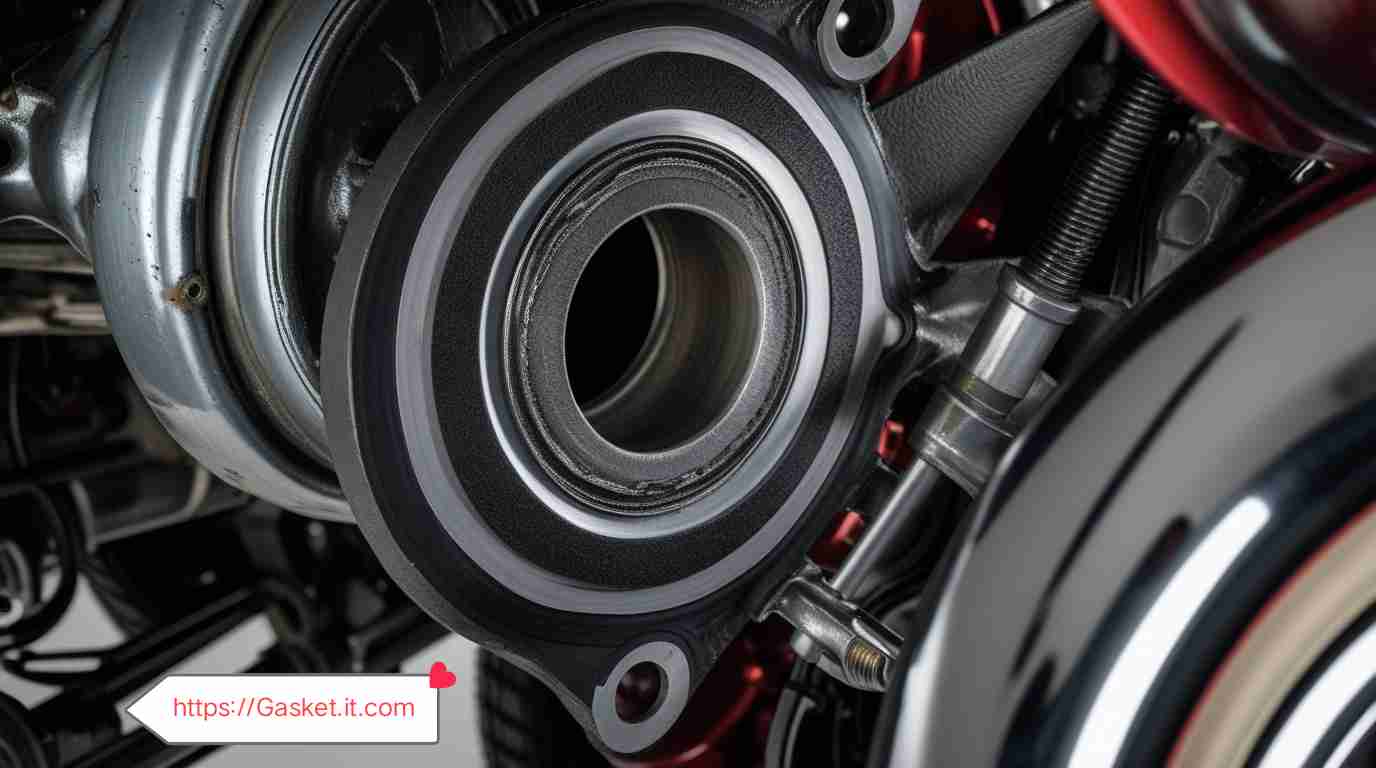
A 1956 Buick Special rear torque tube gasket is designed to seal the connection between the torque tube and differential housing. It prevents transmission fluid and gear oil from leaking out — a critical function that keeps your Dynaflow system running efficiently.
When this gasket wears out or becomes brittle over time, you may notice fluid leaks, vibration, or noise during driving. Replacing it promptly can prevent further damage to the torque ball and rear axle assembly.
Why This Gasket Matters for Classic Buick Owners
Ask any classic car lover, and they’ll tell you — the beauty of a vintage Buick lies in its details. If you own a vintage Buick, keeping the 1956 Buick Special rear torque tube gasket in good shape is vital. It’s not just about preventing leaks — it’s about protecting your car’s original Dynaflow transmission, ensuring smooth acceleration and maintaining authenticity in your restoration project.
Also visit to GM LS9 Head Gasket 12622033 Price
How the 1956 Buick Special Rear Torque Tube Gasket Works
The 1956 Buick Special rear torque tube gasket acts as a tight seal between the torque ball retainer and torque tube flange. Its job is to hold back fluid pressure while allowing flexibility in the drivetrain.
As the torque tube transmits power from the transmission to the rear axle, the gasket absorbs vibration and prevents differential oil from seeping out. Without this seal, performance issues and mechanical wear can develop quickly.
Material and Design of the Gasket
Ever wonder what keeps those beautifully restored Buicks running as smoothly as they look? Original gaskets were made from fiber or cork composite materials. Modern replacements for the 1956 Buick Special rear torque tube gasket use improved rubber and graphite-infused materials, which resist heat and pressure far better — ensuring long-term reliability for daily drivers and show cars alike.
Symptoms of a Failing 1956 Buick Special Rear Torque Tube Gasket
When your 1956 Buick Special rear torque tube gasket begins to fail, your car gives subtle warnings. You might notice small drips of transmission oil on the floor, or the rear end may emit a grinding or humming sound.
Over time, a damaged gasket allows fluid loss, which can lead to reduced lubrication and cause expensive wear to the torque ball housing and bearings.
How to Diagnose Gasket Problems
To confirm if your 1956 Buick Special rear torque tube gasket is the culprit, inspect the area where the torque tube meets the differential. Look for wet spots, leaks, or oil accumulation. If present, the gasket should be replaced immediately to protect your drivetrain.
Replacing the 1956 Buick Special Rear Torque Tube Gasket
If you enjoy getting your hands a little greasy, this is one job you’ll appreciate. Replacing the 1956 Buick Special rear torque tube gasket requires basic mechanical tools and patience. First, you’ll need to detach the driveshaft and torque tube assembly. Then, remove the torque ball retainer and old gasket, clean both surfaces, and install the new one with proper sealant.
Restoration experts recommend using a high-quality Dynaflow seal replacement kit to ensure all parts fit precisely and work together.
Pro Tip for Perfect Installation
When installing a new 1956 Buick Special rear torque tube gasket, always torque the bolts evenly in a star pattern. This prevents uneven pressure that can cause leaks or misalignment later. Using a genuine replacement kit guarantees perfect fitment for classic Buick models.
Comparison Table: Genuine vs. Aftermarket Gasket Kits
| Feature | Genuine Dynaflow Seal Kit | Generic Aftermarket Gasket |
| Material Quality | OEM-grade rubber & fiber | Standard rubber |
| Fitment Accuracy | 100% exact for 1956 Buick Special | May require trimming |
| Leak Protection | High | Moderate |
| Durability | Long-lasting | Average lifespan |
| Recommended For | Restoration & show cars | Temporary repairs |
Benefits of Choosing a Genuine 1956 Buick Special Rear Torque Tube Gasket
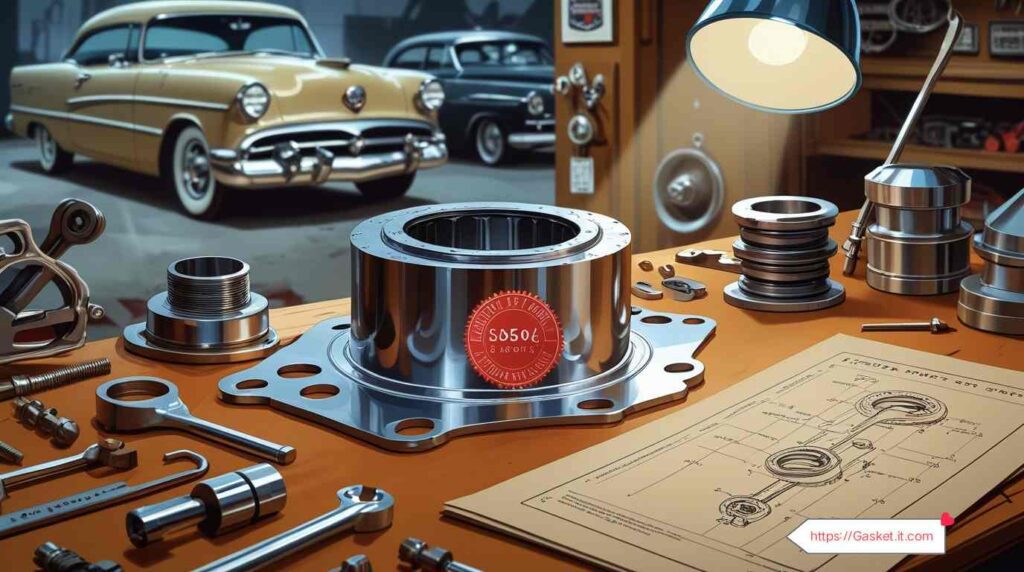
When it comes to restoring a classic, the real difference is often in the parts you can’t see. A genuine 1956 Buick Special rear torque tube gasket offers superior sealing and fitment, ensuring your Dynaflow transmission stays leak-free. It’s crafted specifically for the torque tube geometry of Buick Special models, maintaining authenticity and long-term performance.
Unlike universal gaskets, OEM-style replacements ensure that your classic car drives just like it did in 1956 — quiet, smooth, and perfectly balanced.
Protecting Your Investment
Classic car restorations can be costly, and cutting corners on small parts like the 1956 Buick Special rear torque tube gasket can lead to major issues later. Investing in a high-quality seal ensures your vehicle remains reliable, preserves resale value, and upholds its historical accuracy.
Where to Buy the 1956 Buick Special Rear Torque Tube Gasket
Tracking down the right part for a vintage Buick can feel like a treasure hunt — but it’s easier than you might think. You can find the 1956 Buick Special rear torque tube gasket at trusted vintage auto parts suppliers, including online stores that specialize in Buick restoration components. Many retailers like Old Buick Parts, Classic Transmission Supply, and eBay sellers stock genuine Dynaflow seal kits.
Always check compatibility details before purchasing, as Buick used different torque tube designs across model years.
Trusted Sources for Classic Buick Parts
Consider browsing Hometown Buick or Classic Buicks Restoration websites for authentic parts. For further technical details,
learn more about Buick’s Dynaflow transmission history.
Maintenance Tips for Long Life of Your Rear Torque Tube Gasket
To extend the lifespan of your 1956 Buick Special rear torque tube gasket, inspect the seal every few months for leaks or cracks. Keep your torque ball and retainer lubricated, and avoid over-tightening bolts, which can distort the gasket’s shape.
Regular maintenance ensures your drivetrain runs smoothly and reduces the need for frequent replacements.
Common Mistakes to Avoid
Here’s a lesson every classic car owner learns sooner or later — Never reuse an old 1956 Buick Special rear torque tube gasket after removing it. Even slight compression damage can cause leaks later. Always install a fresh one when performing transmission or axle work.
Conclusion
It’s often the smallest parts that make the biggest difference in a restoration. The 1956 Buick Special rear torque tube gasket might be small, but it plays a massive role in keeping your Dynaflow transmission sealed and efficient. Whether you’re restoring your Buick or maintaining a daily classic, using a genuine gasket replacement ensures durability, performance, and authenticity.
So, next time you work on your vintage Buick, remember — a reliable 1956 Buick Special rear torque tube gasket is your best protection against leaks, wear, and costly repairs.
FAQs About 1956 Buick Special Rear Torque Tube Gasket
Q1. What is the purpose of the 1956 Buick Special rear torque tube gasket?
It seals the connection between the torque tube and differential housing, preventing oil leaks and protecting the Dynaflow system.
Q2. How often should I replace this gasket?
Inspect every few years or whenever you notice leaks. Replace it if it’s cracked, brittle, or leaking.
Q3. Can I use a universal gasket instead of a genuine one?
It’s not recommended. Universal gaskets may not fit perfectly and can cause leaks over time.
Q4. What materials are best for a new gasket?
Rubber and fiber-reinforced materials offer excellent sealing and heat resistance.
Q5. Is replacing the gasket difficult for beginners?
It requires basic tools and mechanical knowledge. Following a service manual helps ensure proper installation.
Q6. Can a leaking gasket damage my transmission?
Yes, leaks can lead to fluid loss, overheating, and severe wear inside the Dynaflow system.
Q7. Where can I buy an authentic gasket?
Reputable suppliers include Hometown Buick, Old Buick Parts, and eBay’s classic car sections.
Q8. Does temperature affect gasket lifespan?
Extreme heat or cold can shorten the gasket’s life, especially if the material isn’t OEM-grade.
Q9. How do I know my gasket is installed correctly?
After installation, check for even torque on bolts and ensure no fluid leaks appear after test driving.
Q10. Why choose the genuine Dynaflow seal replacement kit?
Because it’s designed specifically for the 1956 Buick Special, ensuring perfect fitment and long-term reliability.
