


Introduction
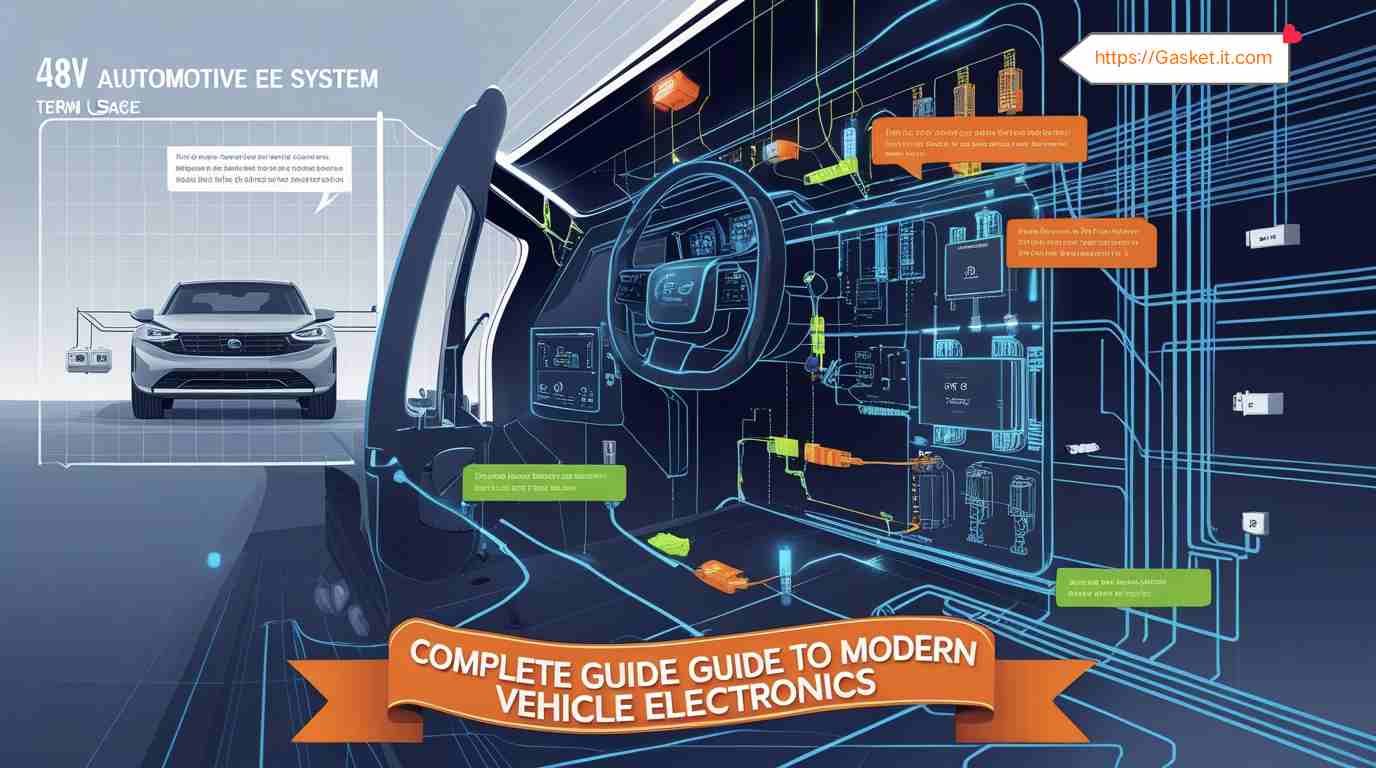
Have you ever wondered how today’s cars are getting smarter, faster, and more efficient? The world of modern vehicles is changing fast, and one of the most talked-about innovations is the 48v automotive ee system architecture term usage. This new electrical setup is transforming how cars power electronics, improve efficiency, and reduce emissions.
As more vehicles adopt 48V electrical systems, understanding this term is crucial for engineers, mechanics, and automotive enthusiasts. This guide explains everything you need to know about its meaning, design, and role in shaping the future of mobility.
Understanding the 48V Electrical Revolution in Vehicles
In traditional vehicles, a 12V electrical system was enough to power everything from headlights to infotainment. However, modern cars demand more power for advanced driver-assistance systems (ADAS), electric turbochargers, and climate control. That’s where the 48V system steps in — delivering more energy without needing a full electric vehicle setup.
This evolution in automotive power networks bridges the gap between combustion engines and full electric powertrains. It improves performance, reduces CO₂ emissions, and allows for better control of energy-consuming components.
H3: How 48V Systems Became the New Industry Standard
As cars evolve to balance power and sustainability, a quiet revolution is happening under the hood. The rise of the 48v automotive ee system architecture term usage began as manufacturers sought to meet stricter emission regulations while maintaining vehicle performance. The 48V setup offers an efficient middle ground — lightweight hybridization with reduced fuel consumption.
More details on Automotive Electrical Systems
Key Components of a 48V Automotive EE System
A 48V system consists of multiple components designed to work together seamlessly. The main elements include a 48V battery, DC/DC converter, starter-generator, and power distribution units. Each plays a specific role in energy management and system efficiency.
The electrical/electronic (EE) architecture organizes these components into structured layers that manage power flow and communication between vehicle domains such as drivetrain, body, and infotainment.
Internal Design of 48V Automotive EE System Architecture Term Usage
Behind the scenes of modern vehicles lies a smart network that keeps everything running in sync. In the 48v automotive ee system architecture term usage, each component interacts through a domain-based setup. This means different control units, such as those for braking or steering, communicate via a central gateway to optimize energy and data exchange.
Read More About: GreenTech Automotive Mississippi
Benefits of Using 48V Systems in Modern Vehicles
Modern vehicles benefit significantly from switching to 48V systems. They allow energy recovery through regenerative braking, reducing overall fuel use. These systems also make it easier to power electric compressors and active suspension systems, improving both comfort and performance.
Another key advantage is reduced wiring weight. With higher voltage, the same power can flow through thinner wires, saving cost and improving efficiency.
Real-World Impact of 48V Automotive EE System Architecture Term Usage
The 48v automotive ee system architecture term usage directly improves vehicle drivability and fuel economy. For example, mild hybrids that use 48V setups can achieve up to 15% better fuel efficiency compared to 12V systems.
Table: Components and Functions in a 48V Automotive EE System
| Component | Function | Voltage | Description |
| 48V Battery | Stores energy for high-power systems | 48V | Lithium-ion based, rechargeable |
| DC/DC Converter | Converts 48V to 12V | 48V–12V | Powers legacy 12V systems |
| Integrated Starter Generator (ISG) | Enables start-stop and regenerative braking | 48V | Improves efficiency and torque |
| Power Distribution Unit | Manages electrical load | 48V | Connects all components safely |
| Control Units | Coordinates subsystems | Mixed | Manages communication and control |
Challenges in Implementing 48V Systems
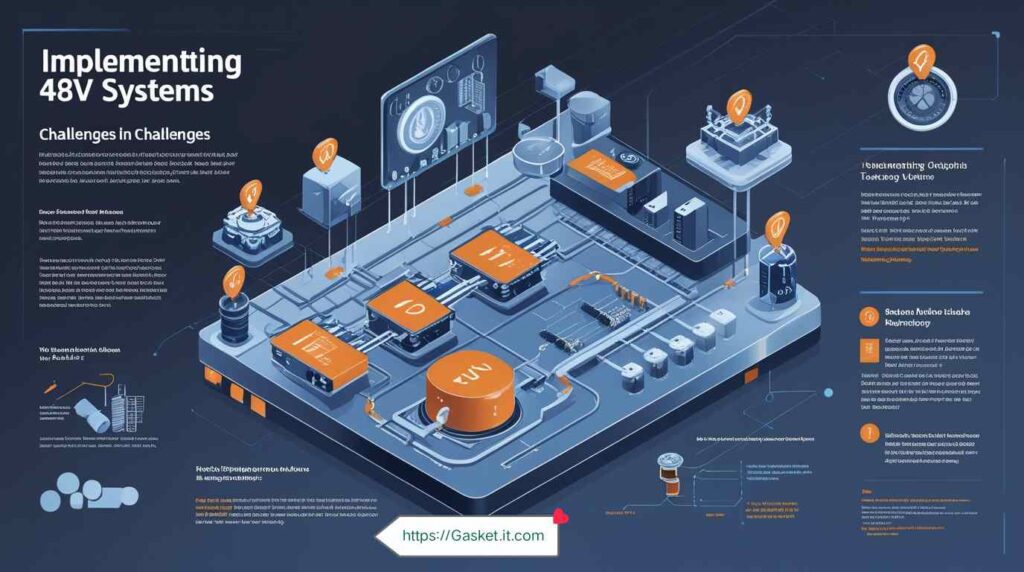
As the automotive world shifts toward smarter, more powerful vehicles, efficiency isn’t the only goal — innovation comes with its own set of hurdles. While efficient, 48V systems come with design challenges. One issue is the cost of upgrading from 12V components. Manufacturers need to redesign wiring, connectors, and ECUs to handle higher voltages safely.
Thermal management is another concern. With more current flowing, heat dissipation becomes critical to prevent damage or inefficiency.
H3: Overcoming Issues in 48V Automotive EE System Architecture Term Usage
Engineers optimize the 48v automotive ee system architecture term usage by using lightweight materials, thermal sensors, and protective circuits. These innovations keep systems reliable and extend component life.
Domain and Zone Architecture in EE Systems
In modern cars, electrical architecture is no longer centralized. Instead, zone and domain controllers manage specific areas or functions of the vehicle, improving performance and reducing latency.
Think of a modern car as a network of smart domains, each with its own job. For example, the drivetrain domain controls propulsion, while the body domain manages lighting and doors. The 48V system integrates across these domains for smoother operation and energy sharing.
H3: Domain Control in 48V Automotive EE System Architecture Term Usage
The 48v automotive ee system architecture term usage follows a hybrid structure — combining centralized computing with domain-based control. This ensures safety, scalability, and fast data exchange.
Applications of 48V EE Systems in Hybrid and Electric Cars
Mild hybrid vehicles are the most common users of 48V systems. These vehicles still rely on an internal combustion engine but use electric assistance to reduce fuel use and emissions.
Electric turbochargers, active roll stabilization, and electric air conditioning systems are also powered through 48V networks, offering performance boosts without strain on the 12V circuit.
H3: Powering Future Technologies with 48V Automotive EE System Architecture Term Usage
The 48v automotive ee system architecture term usage allows automakers to integrate next-gen tech such as autonomous driving sensors, high-performance ECUs, and electric actuators efficiently.
Comparison Between 12V and 48V Systems
At first glance, 12V and 48V systems might seem similar—but the real difference runs deeper. The main difference lies in efficiency and capacity. 12V systems can handle basic functions, but 48V systems can support advanced features like regenerative braking and start-stop systems.
The 48V design reduces power losses, making it ideal for hybrid vehicles where energy recovery and rapid recharging are essential.
H3: Why 48V Outperforms Traditional Systems
In the automotive 48v ee system architecture term usage, vehicles get higher efficiency and better load management. The improved voltage ratio ensures smoother performance under heavy electrical demand.
Future Trends of 48V EE Architecture
As automakers transition toward electrification, 48V systems will remain vital in bridging hybrid and fully electric vehicles. With growing adoption, these systems may soon include AI-driven control and smart energy balancing.
To keep up with the rising demand for smarter vehicles, innovation isn’t stopping at the automakers. Suppliers are also developing new materials and integrated chips to make 48V EE systems more compact, efficient, and cost-effective.
H3: What’s Next for 48V Automotive EE System Architecture Term Usage
The future of 48v automotive ee system architecture term usage points toward full digital integration — combining power electronics, software, and data connectivity for smarter vehicles.
Maintenance and Safety in 48V Systems
Because 48V systems carry higher voltage than traditional setups, safety precautions are vital. Always disconnect the main power supply before repairs or upgrades. Mechanics use insulated tools and grounding procedures to avoid electrical hazards.
Maintenance involves checking cable insulation, thermal sensors, and converter efficiency regularly to ensure reliability.
H3: Safety Guidelines for 48V Automotive EE System Architecture Term Usage
In the 48v automotive ee system architecture term usage, maintenance teams follow high-voltage standards to prevent short circuits and electrical damage during diagnostics.
Conclusion
As the auto industry races toward a greener future, The 48v automotive ee system architecture term usage represents the future of efficient vehicle design. It’s the perfect balance between performance and sustainability, delivering the power modern vehicles need without going fully electric.
Understanding how this system works helps engineers, students, and enthusiasts keep pace with evolving automotive technologies. From domain control to hybrid power systems, the 48V EE architecture stands at the heart of next-generation mobility.
FAQs – 48V Automotive EE System Architecture
Q1. What does 48V automotive EE system mean?
It refers to a vehicle’s electrical and electronic network powered by a 48-volt system.
Q2. Why is 48V replacing 12V systems?
48V systems handle more power and reduce energy loss, perfect for modern hybrid setups.
Q3. What vehicles use 48V systems?
Most mild hybrids and some luxury vehicles use 48V systems for better efficiency.
Q4. What is the role of a DC/DC converter?
It converts 48V power to 12V for traditional electronics and sensors.
Q5. Are 48V systems safe?
Yes, with proper insulation and protection, they’re safe for both drivers and technicians.
Q6. How does a 48V battery differ from 12V?
It stores more energy, providing extra power for systems like electric turbos or ADAS.
Q7. What is an integrated starter generator (ISG)?
It’s a hybrid component that starts the engine and captures braking energy.
Q8. Can 48V systems work in full EVs?
They’re mainly for mild hybrids, but elements may appear in EV subsystems.
Q9. What maintenance does a 48V system need?
Routine inspection of cables, converters, and thermal systems keeps it efficient.
Q10. What’s the future of 48V automotive EE systems?
Integration with AI and smart control networks will define next-gen 48V designs.
Thanks for visiting: https://Gasket.it.com
