


Introduction
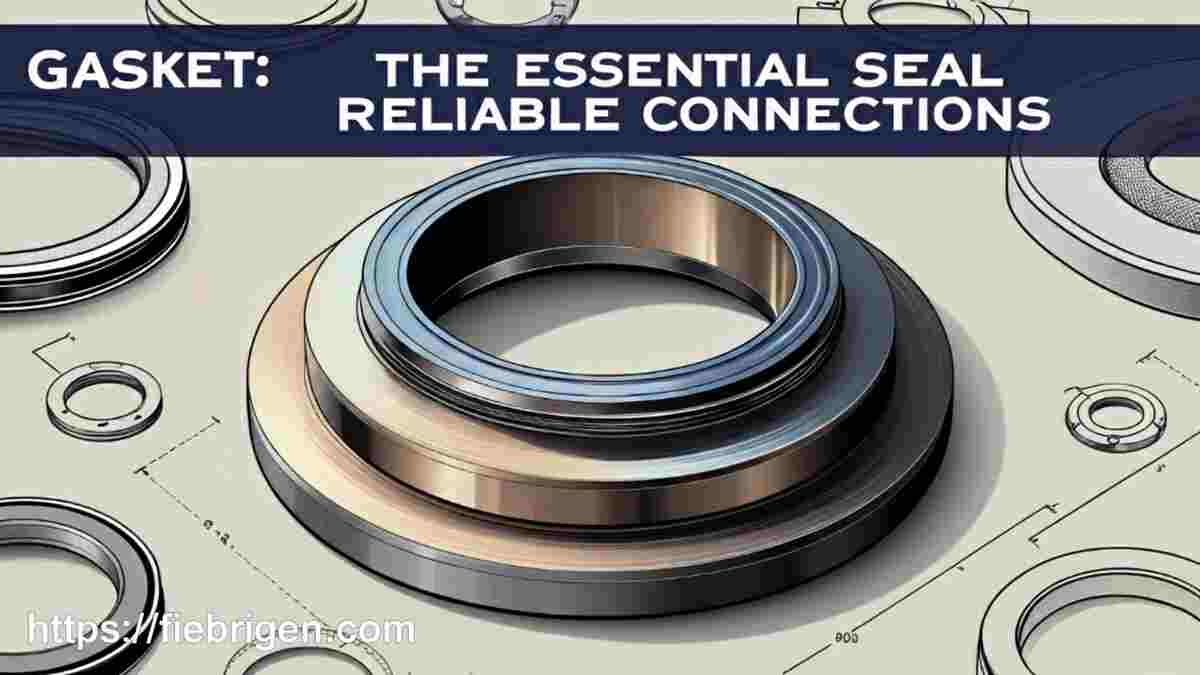
A gasket is a simple yet vital part of every mechanical assembly. It forms a tight seal between two surfaces, preventing gas or fluid leaks under pressure. From engines to pipelines, it ensures safety and stability where materials meet and move.
Whether in an aircraft engine or a home water tap, this small component silently does its job — sealing, protecting, and preventing costly breakdowns. Understanding how it works reveals how it keeps massive machines operating smoothly.
How It Works
Ever wondered how a tiny seal can handle massive pressure? It operates on the principle of compression. When two surfaces are bolted together, the material deforms to fill microscopic gaps. This creates a tight, leak-proof barrier that withstands pressure, heat, and vibration.
The strength lies in its material and design. Its elasticity allows it to maintain a strong seal even when the joint expands or contracts under temperature changes. Without this flexibility, even the smallest imperfection could lead to leakage.
Why Compression Matters
Compression ensures that it adapts to surface irregularities, preventing air or fluid from escaping. The tighter the compression, the more reliable the seal becomes under harsh conditions.
Types of Gaskets
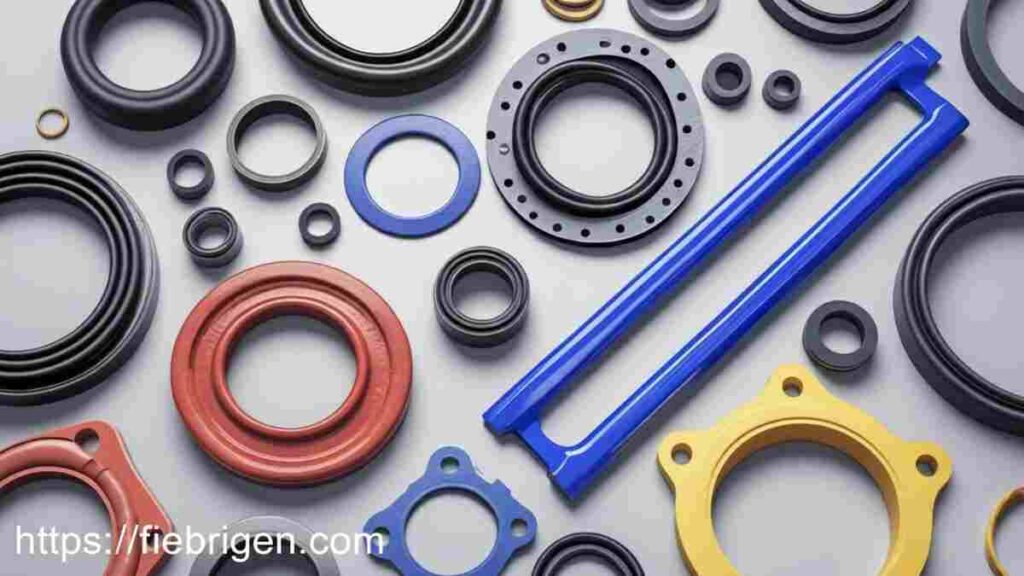
They come in many forms, each made for specific pressure, temperature, or fluid conditions. The main types include metal, non-metal, and composite gaskets. Each serves a unique purpose depending on the system’s demands.
It’s amazing how one simple choice can change everything. One made of soft rubber may be perfect for water pipes, while metallic ones handle extreme pressure in engines and boilers. The right type ensures durability and efficiency across industries.
Read More About Gasket
Metal vs. Non-Metal Gaskets
Metal versions are rigid and heat-resistant, whereas non-metal ones are flexible and ideal for lower pressure systems. Choosing the right one is key to preventing leakage and mechanical stress.
Common Materials Used
The performance of a gasket depends largely on its material. Common choices include rubber, graphite, silicone, cork, PTFE, and metal alloys. Each has unique advantages in sealing strength and durability.
Graphite handles high heat in turbines, while rubber works best in automotive engines. PTFE, known as Teflon, resists chemicals and corrosion, making it ideal for industrial pipelines.
How Material Affects Performance
You might not think much about it, but materials have personalities too. Material selection defines how it reacts under pressure. For instance, metal types offer rigidity, while elastomeric ones adapt to uneven surfaces for tighter seals.
Applications
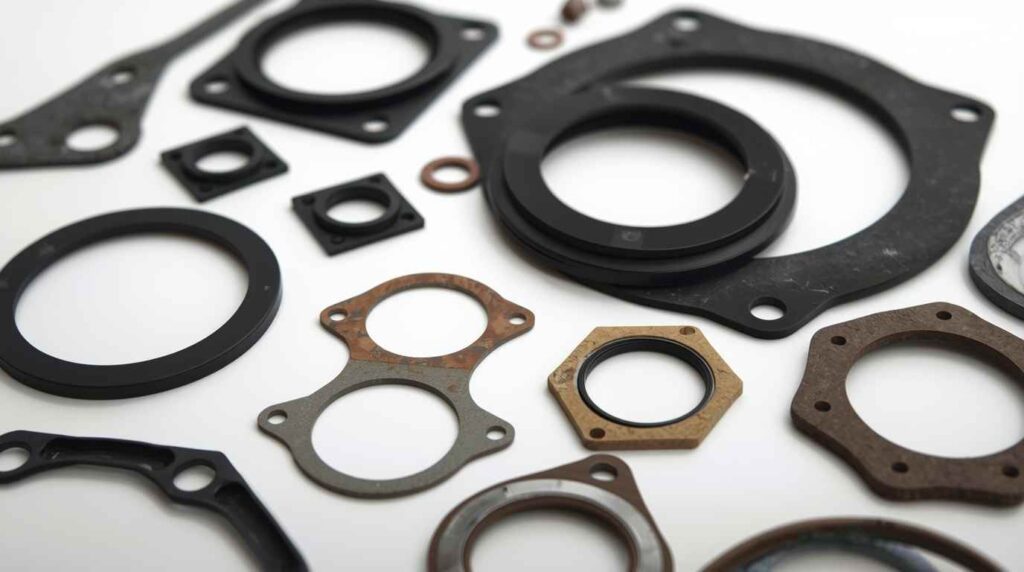
You’ll find a gasket anywhere there’s a mechanical joint — in cars, airplanes, plumbing, and even medical equipment. They’re essential in preventing oil, water, air, or gas leaks under dynamic operating conditions.
In a car engine, it keeps oil from seeping into combustion chambers. In industrial settings, it secures pipelines that transport chemicals or steam. It’s also vital in electrical enclosures, protecting sensitive parts from moisture and dust.
Real-World Example
Think about it — one tiny leak can cause massive trouble. Imagine a pipeline carrying pressurized gas. Without a proper seal, even a minor gap could trigger leakage, posing fire or explosion risks. This seal maintains operational safety and efficiency.
Table: Common Gasket Materials and Their Applications
| Material | Temperature Range (°C) | Best For | Advantages |
| Rubber | -50 to 120 | Automotive & plumbing | Flexible, low cost |
| Graphite | Up to 500 | Engines, turbines | Heat-resistant |
| PTFE (Teflon) | -200 to 250 | Chemical processing | Non-reactive, durable |
| Cork | -30 to 120 | Light machinery | Compressible, eco-friendly |
| Metal (Steel/Copper) | Up to 1000 | High-pressure systems | Strong, reusable |
Installation and Maintenance
A gasket must be installed carefully to ensure a secure seal. Even minor misalignment can cause leaks or mechanical failure. Always clean the surface before placing it and tighten bolts evenly for uniform pressure.
Over time, it may degrade due to heat, friction, or chemical exposure. Regular inspection and timely replacement prevent accidents and maintain equipment efficiency.
Maintenance Tip
During routine checks, look for cracks, wear, or flattening on the seal. These signs indicate it’s time for replacement to avoid system downtime.
Innovations in Gasket Technology
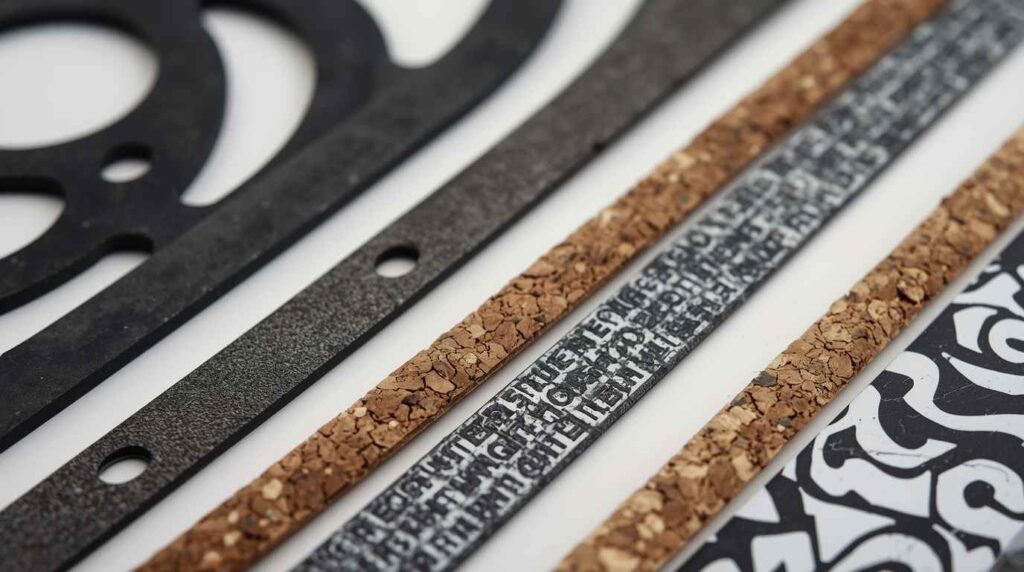
Modern manufacturing has transformed how a gasket is made. Advanced materials like fiber-reinforced composites and nano-sealants now provide better resistance to extreme temperatures and chemicals.
This component can now be custom-cut using laser technology for perfect fit and minimal waste. This precision engineering extends lifespan and reduces maintenance costs across industries.
Smart Sealing Systems
Some manufacturers now design smart gasket systems with built-in sensors. These detect pressure changes or leaks in real time — a revolution in industrial safety.
Environmental and Safety Aspects
A gasket contributes indirectly to environmental protection by preventing leaks of hazardous fluids or gases. Eco-friendly materials are now replacing asbestos and synthetic polymers to reduce pollution risks.
Safety isn’t just a checklist — it’s a mindset. A properly sealed connection also improves workplace safety. It prevents toxic exposure and mechanical accidents caused by sudden pressure loss or fluid leaks.
Sustainability in Design
Recyclable and bio-based materials are gaining popularity, aligning industries with global green standards and sustainability goals.
Conclusion
In every industry, a gasket plays a silent but critical role. It seals connections, prevents leaks, and ensures that machines operate smoothly. From household plumbing to aircraft engines, its importance cannot be overstated.
It’s funny how something so small can play such a big role. When you understand how it functions, you begin to see it as the unsung hero of modern machinery. Choosing the right type and maintaining it well guarantees safety, reliability, and peace of mind.
Frequently Asked Questions (FAQs)
Q1: What is a gasket and why is it important?
A gasket is a sealing component that prevents leaks between joined surfaces. It ensures tightness and safety in mechanical systems.
Q2: What materials are commonly used?
Common materials include rubber, graphite, PTFE, cork, and metal — each selected for specific temperature and pressure needs.
Q3: Can it be reused?
Metal gaskets can sometimes be reused after inspection, but most soft types should be replaced to ensure a proper seal.
Q4: How long does it last?
A gasket typically lasts 3–5 years depending on temperature, pressure, and exposure to chemicals.
Q5: How do I know if it’s failing?
Leaks, noise, vibration, or pressure drops usually indicate a damaged or worn-out seal.
Q6: Are gaskets and seals the same?
No, seals prevent leaks in rotating parts, while a gasket provides a static seal between stationary components.
Q7: How is it tested for leaks?
Technicians use pressure or vacuum testing to confirm performance and tightness.
Q8: Can I make one at home?
Yes, soft materials like rubber sheets or cork can be cut into simple shapes for small DIY repairs.
Q9: What causes failure?
Over-tightening, chemical damage, or surface irregularities can lead to cracks or leaks.
Q10: Where can I learn more about gasket materials?
Visit Wikipedia’s gasket page (nofollow) for a detailed breakdown of gasket materials and their applications.
Thanks for visit: https://Gasket.it.com
