


Introduction
In the early 2010s, a bold electric car company called greentech automotive mississippi promised to bring innovation, jobs, and a cleaner future to America’s South. Hopes were high, factories were planned, and political leaders celebrated what looked like the next Tesla of the South.
At one point, it seemed like the future had arrived. But as the years passed, this dream began to fade. What was meant to revolutionize the automotive industry turned into a tale of missed deadlines, financial troubles, and unfulfilled promises. The story of greentech automotive mississippi remains a fascinating lesson in ambition, risk, and reality in the EV world.
A Bold Vision to Build America’s Green Future
When GreenTech Automotive first announced its move to Mississippi, the excitement was real. The company aimed to create a massive hub for electric vehicle manufacturing, focusing on small, efficient, and affordable cars. This was not just an industrial project—it was marketed as an economic revival for the state.
The idea of bringing clean energy vehicles to the heart of the American South felt revolutionary. Investors believed in it, politicians praised it, and the public saw it as a new era for the local economy. At that time, greentech automotive mississippi symbolized the dream of combining technology, environment, and employment in one powerful package.
The Vision Behind GreenTech Automotive Mississippi
It all started with an ambitious idea — to make electric cars for everyone, not just the elite. The company was founded with the mission to compete with global EV makers, but in a more accessible way. Unlike luxury electric cars, GreenTech’s focus was on low-cost, eco-friendly vehicles that anyone could afford. Their first prototype — a small two-door electric car — looked ready to change how people thought about urban driving.
Learn more about the EB-5 Visa Investment Program
The Rise of GreenTech: Hope, Investment, and Big Promises
As the company gained attention, major investors joined in, including political figures and international partners. Mississippi offered generous incentives to attract the factory, and construction plans began in Tunica County.
The move seemed strategic — low land costs, available workforce, and a government eager to support new technology. The state hoped to become the next “Detroit of Electric Cars.” Local communities believed greentech automotive mississippi would bring thousands of new jobs and make Mississippi a manufacturing powerhouse.
GreenTech Automotive Robinsonville Mississippi Facility
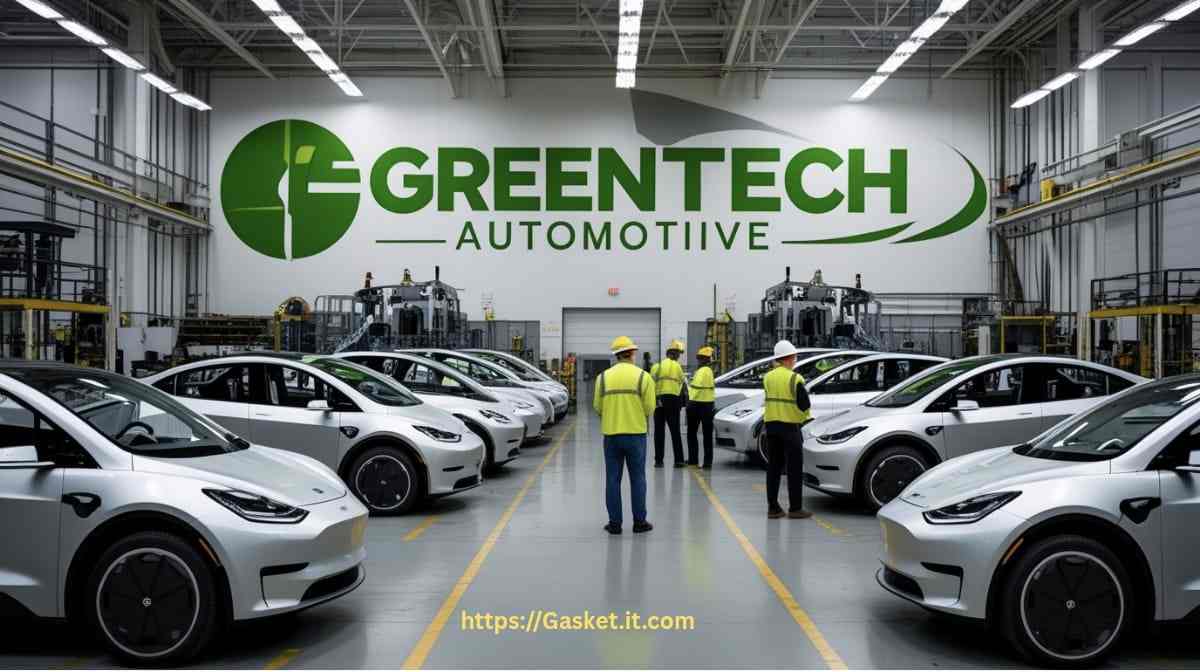
At the center of this dream stood the greentech automotive robinsonville mississippi facility. It was supposed to be a state-of-the-art plant capable of producing thousands of electric cars per year. Grand openings were held, and early prototypes were showcased proudly.
But behind the optimism, problems were starting to emerge. Production delays, funding gaps, and leadership changes began to slow progress. What was meant to be a smooth road to success became a bumpy ride filled with uncertainty.
Also Read About: Do All Mechanics Accept CarShield
Financial Struggles and Unrealized Production Goals
But as every dreamer eventually learns, reality can be unforgiving. While the dream sounded perfect on paper, real-world challenges quickly took over. Investors wanted returns, but the company struggled to deliver mass production. The vehicles, while innovative, faced competition from established brands with stronger technology and more funding.
Government records later revealed that production numbers were far below expectations. The promised jobs never fully materialized, and the Tunica factory remained mostly quiet. The optimism surrounding greentech automotive mississippi slowly began to fade.
Delays and the EB-5 Visa Controversy
One of the most controversial aspects of the project involved the EB-5 visa program, which allows foreign investors to obtain U.S. residency in exchange for investing in American businesses. GreenTech used this model to raise millions of dollars, but questions arose about how the funds were used.
The greentech automotive robinsonville mississippi project became a subject of investigation, and the company’s reputation suffered. Delays, unmet promises, and investor frustration turned the once-celebrated venture into a cautionary tale.
Table: Timeline of GreenTech Automotive Mississippi Events
| Year | Event | Key Details |
| 2009 | GreenTech Automotive founded | Aimed to build affordable electric vehicles |
| 2010–2012 | Factory announcement in Mississippi | State incentives offered; groundbreaking ceremony held |
| 2013 | EB-5 investment program controversy begins | Questions about fundraising practices |
| 2014–2016 | Production delays | Limited vehicle output and ongoing financial challenges |
| 2017 | Company halts operations | Employees laid off and facility activity reduced |
| 2018–2020 | Investigations and lawsuits | Investors seek refunds; state reviews incentive use |
| 2021–Present | Legacy and analysis | Case study in startup risk and policy lessons |
The Fall: From Hype to Hard Lessons
In the end, even the most promising visions can fade faster than expected. By the late 2010s, GreenTech’s future looked uncertain. The company faced lawsuits, mounting debts, and a loss of investor confidence. Production goals were missed again and again, and by 2017, greentech automotive mississippi had officially shut down its operations.
For many, it was more than just a failed business — it was a broken promise to local workers and a missed opportunity for the American EV industry. Experts later pointed out that the company’s ambitions were ahead of its time, but its execution lacked the technical and financial backbone needed to compete.
Why GreenTech Automotive Robinsonville Mississippi Couldn’t Survive
The greentech automotive robinsonville mississippi plant was meant to symbolize innovation, but it ultimately highlighted the risks of overpromising in the startup world. Without sustainable funding, supply chain partnerships, and market-ready technology, the dream was unsustainable.
Today, the abandoned factory stands as a reminder of how vision without solid execution can crumble — even in an era full of opportunity.
Lessons Learned from the GreenTech Automotive Case

The story of greentech automotive mississippi offers several lessons for entrepreneurs, investors, and policymakers. The first lesson is that good intentions alone cannot replace strong planning and realistic goals.
If there’s one lesson the EV revolution has taught us, it’s that vision alone isn’t enough. Startups in the EV sector must balance innovation with financial stability. It’s not enough to dream of changing the world — companies must ensure their product, supply chain, and business model can survive intense competition. GreenTech’s journey shows that bold ideas need stronger foundations to succeed.
Impact on the Future of Green Mobility
While the greentech automotive robinsonville mississippi project failed, it still played a small role in shaping future EV initiatives in the region. Policymakers learned to set stricter accountability standards for investment incentives, while other companies became more transparent about their progress.
In many ways, GreenTech’s story became a case study in how not to build an EV startup — and a reminder that innovation requires both passion and precision.
Conclusion about greentech automotive mississippi
The rise and fall of greentech automotive mississippi reveal the fine line between vision and viability. What began as a revolutionary idea to bring electric cars to Mississippi ended as a story of lost potential. Yet, its legacy continues to teach valuable lessons about entrepreneurship, transparency, and the real challenges of transforming the automotive world.
Time may have moved on, but some stories refuse to fade away. Even though the greentech automotive robinsonville mississippi facility stands silent today, its story still echoes through discussions about clean energy and business accountability. In the end, the electric dream that once lit up Mississippi remains a powerful reminder — that ambition without execution can never truly drive change.
FAQs About GreenTech Automotive Mississippi
Q1. What was GreenTech Automotive Mississippi?
It was an electric vehicle company that aimed to produce affordable, eco-friendly cars in Mississippi, but eventually shut down due to financial and operational challenges.
Q2. Where was the GreenTech Automotive plant located?
The factory was based in Robinsonville, Mississippi, designed to be the main hub for electric car production.
Q3. Why did GreenTech Automotive Mississippi fail?
It failed due to funding issues, slow production, management instability, and the EB-5 visa controversy that damaged investor confidence.
Q4. What type of vehicles did GreenTech produce?
They focused on small electric cars, particularly urban commuter models aimed at affordability.
Q5. Did GreenTech Automotive create jobs in Mississippi?
Although it promised thousands of jobs, very few were actually created before operations ceased.
Q6. What happened to the GreenTech factory in Robinsonville?
The facility remains inactive, with no active production or new investors taking over as of now.
Q7. Was GreenTech linked to political figures?
Yes, the company’s leadership had ties to political figures, which later drew public and media attention.
Q8. What can startups learn from GreenTech Automotive’s downfall?
That vision must be matched with execution, transparency, and financial discipline to survive in competitive markets.
Q9. How did the EB-5 controversy affect the company?
It raised legal and ethical concerns that hurt the company’s reputation and scared off potential investors.
Q10. What is the legacy of GreenTech Automotive Mississippi today?
It remains a lesson in how even promising green ventures can fail without strong planning, ethics, and accountability.
Thanks for visit: https://Gasket.it.com
