


Introduction about https allwheeldriveauto.com subaru-head-gaskets problems-explained-part-ii
If you’re a Subaru owner, you’ve probably heard whispers about head gasket issues. But what’s the real truth behind these persistent problems? At https allwheeldriveauto.com subaru-head-gaskets problems-explained-part-ii, we uncover what truly happens inside your engine—and why so many Subaru drivers face this costly repair.
Understanding this issue is more than just maintenance—it’s about protecting your investment and keeping your car running for years. In this article, we’ll dive into the causes, warning signs, expert solutions, and prevention tips you need to know as a Subaru owner.
The History Behind Subaru Head Gasket Problems
It’s a story every long-time Subaru fan has heard at least once — whispered in repair shops and owner forums alike. The story of Subaru head gasket failures begins decades ago when early models like the Legacy, Outback, and Impreza became famous for reliability—with one flaw. The original gasket design couldn’t always handle Subaru’s unique boxer engine heat cycles, leading to leaks and performance drops.
Over time, Subaru made design improvements, yet some older engines continued to suffer. At https allwheeldriveauto.com subaru-head-gaskets problems-explained-part-ii, experts found that temperature swings and poor maintenance are often the true culprits behind recurring gasket issues.
How Subaru’s Boxer Engine Design Plays a Role
Subaru’s horizontally opposed engine gives excellent balance but puts pressure on the head gasket area. The constant heating and cooling cause the gasket to expand and contract repeatedly. When the seal breaks, coolant or oil leaks appear, often unnoticed until serious damage occurs.
Common Signs of Head Gasket Failure in Subaru Vehicles
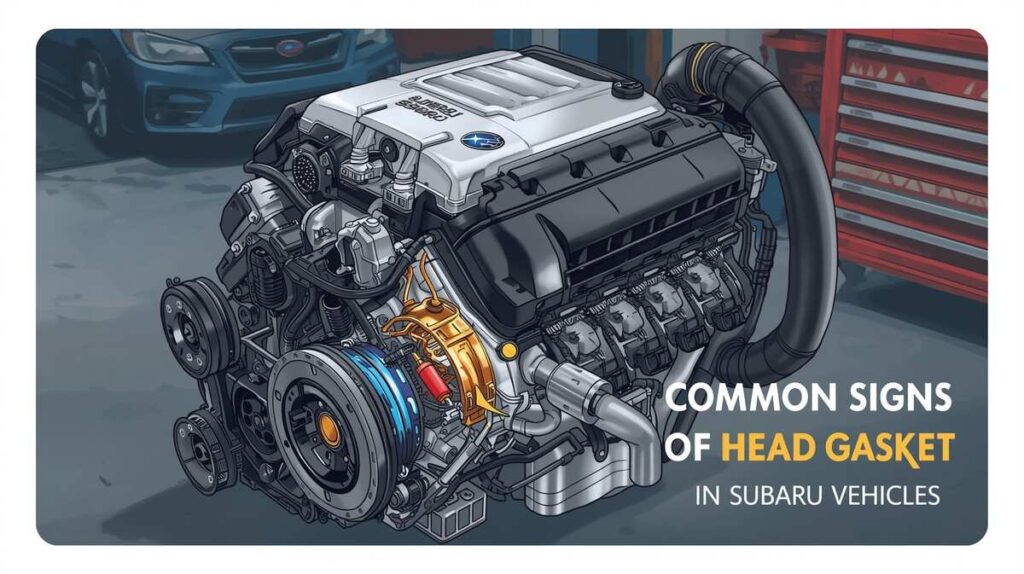
When a head gasket starts failing, your car sends warning signals. These might seem small at first—white smoke, bubbling coolant, or a sweet smell under the hood. Ignoring these can lead to overheating and severe engine failure.
Drivers who read https allwheeldriveauto.com subaru-head-gaskets problems-explained-part-ii report that early detection saved them thousands in repair bills. Paying attention to these symptoms is crucial for every Subaru owner who wants to avoid major engine work.
Why Early Detection Matters Most
It’s a story every long-time Subaru fan has heard at least once — whispered in repair shops and owner forums alike. A leaking head gasket doesn’t fix itself. Once it starts, coolant and oil contamination follow quickly. Overheating warps the aluminum head, forcing a full rebuild. Spotting problems early means minor repairs instead of catastrophic failures.
Also Read More About: https barsleaks.com our-products category block-head-gasket
Causes Behind Subaru Head Gasket Failures
Subaru’s design isn’t the only factor—maintenance habits play a massive role too. Low coolant levels, neglected oil changes, and overheating cycles weaken the gasket over time. Even minor leaks can speed up the process.
According to technicians at https allwheeldriveauto.com subaru-head-gaskets problems-explained-part-ii, poor coolant quality is one of the most overlooked issues. Using the wrong coolant or skipping flushes can corrode metal surfaces and attack the gasket from the inside out.
The Role of Poor Maintenance
Skipping basic maintenance is like ignoring a ticking time bomb. Subaru engines rely on clean, well-balanced fluids to maintain pressure and temperature. Small leaks, if left untreated, lead to larger failures, turning a $100 gasket replacement into a $2000 rebuild.
Table: Subaru Head Gasket Symptoms and Causes
| Symptom | Possible Cause | Action Needed |
| White exhaust smoke | Coolant leaking into cylinders | Immediate inspection |
| Overheating engine | Low coolant from gasket leak | Stop driving and repair |
| Bubbles in coolant | Exhaust gases entering cooling system | Pressure test required |
| Milky oil color | Coolant mixed with oil | Change fluids and repair gasket |
| Loss of power | Compression leak | Engine compression test |
How https allwheeldriveauto.com subaru-head-gaskets problems-explained-part-ii Helps Subaru Owners
Think of a leaking head gasket like a small crack in a dam — it might start tiny, but it never stays that way. This resource isn’t just a blog—it’s an expert guide built from years of hands-on Subaru experience. It explains everything from symptoms to repair methods so owners can make confident decisions about their cars.
Professionals at https allwheeldriveauto.com subaru-head-gaskets problems-explained-part-ii have tested various gaskets and sealants in real-world driving conditions, proving which fixes actually last. Their insights help drivers avoid costly mistakes.
Real-World Experience That Matters “https allwheeldriveauto.com subaru-head-gaskets problems-explained-part-ii”
When a repair shop handles hundreds of Subarus, patterns emerge. That experience becomes invaluable. By sharing these lessons online, Subaru owners everywhere can learn from proven solutions—not trial and error.
The Best Repair Solutions for Subaru Head Gasket Problems
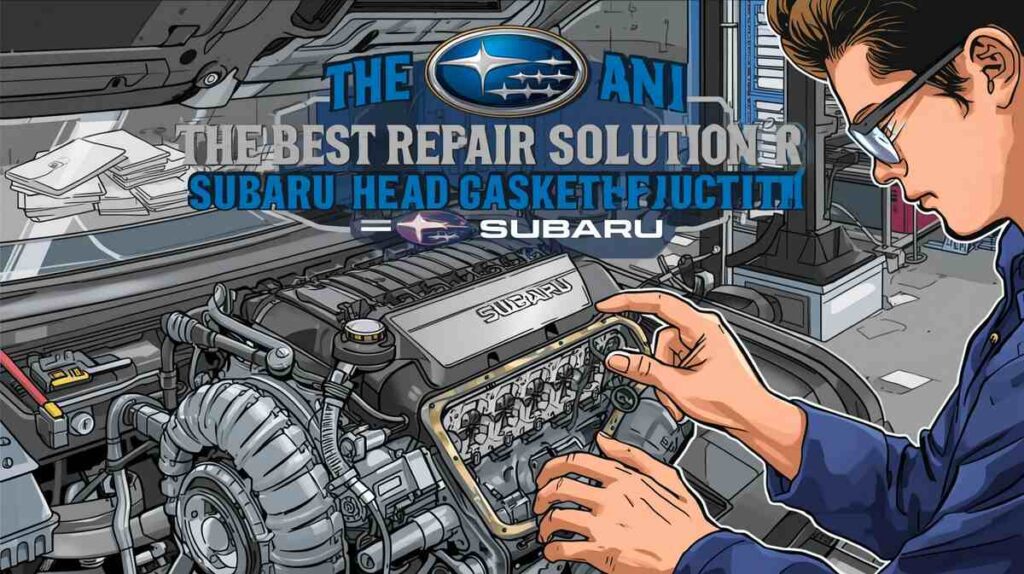
Fixing a Subaru head gasket isn’t just another weekend garage job — it’s an art that demands steady hands and real know-how. Repairing a Subaru head gasket requires skill, patience, and precision. The right materials and torque patterns make all the difference. Subaru’s multilayer steel (MLS) gaskets are the modern standard and offer much greater durability.
Experts at https allwheeldriveauto.com subaru-head-gaskets problems-explained-part-ii recommend replacing both gaskets even if only one side leaks. This ensures even pressure and longer life for your engine.
Choosing Quality Parts Over Cheap Fixes
It’s tempting to save money on aftermarket parts, but low-quality gaskets fail faster. Always choose OEM or premium-grade replacements. It’s the difference between a 20,000-mile patch job and 100,000 miles of worry-free driving.
Preventing Head Gasket Issues Before They Start
Preventing gasket failure isn’t complicated—it just takes consistency. Regular coolant flushes, quality oil changes, and watching temperature gauges go a long way. Avoiding overheating events is the single best defense.
Following guidance from https allwheeldriveauto.com subaru-head-gaskets problems-explained-part-ii, drivers can maintain stable cooling systems that keep their engines safe from stress and corrosion.
Why Maintenance is Cheaper Than Repair
A few minutes checking fluids can save thousands in repairs. Prevention always costs less. Think of it as protecting the heart of your Subaru before it gets damaged beyond repair.
Conclusion about https allwheeldriveauto.com subaru-head-gaskets problems-explained-part-ii
The truth about Subaru head gasket issues isn’t about poor design alone—it’s about how we maintain our cars. Subaru’s boxer engines are powerful and reliable when cared for properly. With help from https allwheeldriveauto.com subaru-head-gaskets problems-explained-part-ii, every owner can learn how to detect, repair, and prevent these issues with confidence.
Every Subaru owner hits that moment of worry — a strange noise, a whiff of coolant, or a warning light that won’t go away. So, before you panic over a potential leak, visit the experts who’ve seen it all. Remember, knowledge and regular care are your car’s best defense against future problems.
FAQs for https allwheeldriveauto.com subaru-head-gaskets problems-explained-part-ii
Q1. What are the first signs of a Subaru head gasket problem?
You might see white exhaust smoke, coolant loss, or overheating. These early symptoms mean the gasket is leaking.
Q2. How often do Subaru head gaskets fail?
Older models (1999–2011) are more prone, especially around 100,000 miles. Newer designs are far more reliable.
Q3. Can a Subaru run with a blown head gasket?
Technically yes, but it’s dangerous. You risk major engine damage and higher repair costs.
Q4. Is it worth fixing a blown head gasket on a Subaru?
Yes—if the car’s in good shape. A professional repair restores performance and extends engine life.
Q5. How much does a Subaru head gasket repair cost?
Typical repairs range from $1500–$2500 depending on parts, labor, and region.
Q6. Can head gasket sealants really work?
Some sealants provide temporary relief but aren’t a substitute for real repair. Use only under expert advice.
Q7. What coolant should Subaru owners use?
Always use Subaru’s OEM long-life coolant to prevent corrosion and maintain temperature stability.
Q8. How can I prevent head gasket problems?
Regular maintenance, coolant flushes, and watching temperature levels are key.
Q9. Do turbo Subarus have the same issues?
Turbo models have fewer problems due to stronger gaskets but still need regular care.
Q10. Where can I learn more about Subaru head gasket solutions?
Visit All Wheel Drive Auto’s Head Gasket Resource for expert advice and proven repair methods.
For More detail: background on gasket materials
Thanks for Visit: https://Gasket.it.com
