


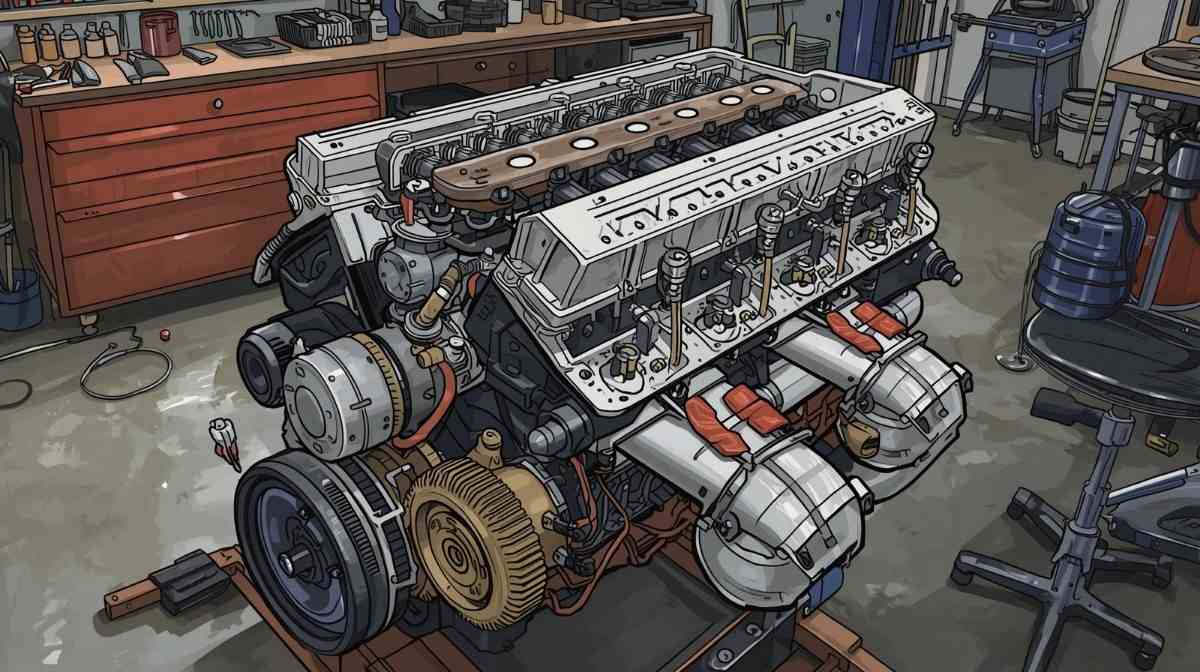
The head gasket is one of the most stressed parts of any engine, and when it fails, the damage can escalate quickly. Many drivers search for reliable information to understand costs, symptoms, and repair choices, which is why the topic around https gobdp.com blog blown-head-gasket-repair-cost is so widely discussed. A blown head gasket can severely affect engine performance, coolant circulation, and internal sealing, making it one of the most critical issues to diagnose early.
Drivers often misinterpret the early signs of trouble or continue driving unaware of the risks. That leads to more expensive repairs. By understanding the symptoms, causes, repair types, and pricing factors, you can make a smart decision based on your vehicle’s value and long-term plans.
What Is a Head Gasket (https gobdp.com blog blown-head-gasket-repair-cost)
The Role of the Head Gasket
The head gasket forms a tight seal between the engine block and cylinder head. It maintains compression, prevents coolant and oil from mixing, and keeps exhaust gases inside the combustion chamber. Because the engine constantly deals with extreme heat and pressure, the gasket must hold firm to maintain smooth operation.
Why Failure Happens
Head gaskets are vulnerable to breakdown when temperatures spike beyond normal operating levels. Excessive heat can warp metal surfaces or weaken the gasket material. Once the seal is compromised, pressure forces coolant, oil, or gases into places they shouldn’t be.
Understanding the Internal Sealing System
A head gasket’s primary job is to isolate fluids, and when this balance shifts, the engine quickly loses stability. In many mechanical discussions, including those surrounding https gobdp.com blog blown-head-gasket-repair-cost, this sealing process is a key focus.
Also Read About: head gasket
Symptoms of a Blown Head Gasket (https gobdp.com blog blown-head-gasket-repair-cost)
Visible and Performance-Based Symptoms
The earliest signs often begin with coolant loss, overheating, and white steam from the exhaust. Drivers may also notice bubbling inside the coolant reservoir, which indicates combustion gases escaping into the cooling system. Oil contamination is another red flag, often appearing as a milky or frothy substance on the dipstick.
Additional Engine Warning Signs
Loss of power, rough idling, and sudden temperature spikes can accompany gasket failure. Some vehicles may trigger the check-engine light when sensors detect combustion issues or temperature irregularities. These symptoms should never be ignored.
Why Early Detection Matters
A simple overheating episode can turn into gasket failure, leading many car owners to seek information similar to what https gobdp.com blog blown-head-gasket-repair-cost explains: early intervention saves money.
Causes of Head Gasket Failure (https gobdp.com blog blown-head-gasket-repair-cost)
Temperature-Related Causes
Overheating is the most common cause. When engines operate without enough coolant or with compromised circulation, temperatures rise, causing warping. Once the metal surfaces bend even slightly, the gasket can no longer maintain an airtight seal.
Pressure-Related Stress
Modern engines produce high combustion pressure, especially in performance or turbocharged vehicles. Over time, these forces can weaken gasket materials or create micro-tears that slowly expand.
The Overheating–Warping Chain Reaction
When the engine overheats, components expand beyond their normal range. This mechanical distortion is often referenced in guides like https gobdp.com blog blown-head-gasket-repair-cost, highlighting why cooling system maintenance is so essential.
Why You Shouldn’t Ignore These Symptoms (https gobdp.com blog blown-head-gasket-repair-cost)
Damage Accelerates Quickly
Ignoring early signs allows coolant to seep into the oil or exhaust gases to enter the cooling system. Contaminated oil loses lubrication, which increases friction and can severely damage internal components such as bearings and camshafts.
Cooling System Breakdown
Overheating can damage the radiator, thermostat, hoses, and water pump. As these components fail, the engine becomes even more vulnerable to further overheating.
Escalating Costs If Delayed
Delaying repairs can escalate a moderate repair bill into a major one. Many cost guides, including discussions similar to https gobdp.com blog blown-head-gasket-repair-cost, show how fast small leaks become expensive failures.
Repair & Replacement Options (https gobdp.com blog blown-head-gasket-repair-cost)
Professional Repair
Full replacement requires removing major engine components to access the gasket. This is labor-intensive, often requiring many hours of work depending on the vehicle’s design. Once removed, mechanics inspect the head surface for warping and other damage.
Temporary or Permanent Sealant Solutions
For minor leaks, chemical sealants can help restore compression and prevent further coolant loss. These products circulate through the cooling system and seal cracks under heat and pressure.
Choosing the Right Approach
Whether to use a sealant or go for a full replacement depends on leak severity and vehicle value. This choice is commonly explained in breakdowns like those found in resources surrounding https gobdp.com blog blown-head-gasket-repair-cost.
Cost Breakdown (https gobdp.com blog blown-head-gasket-repair-cost)
Labor Costs
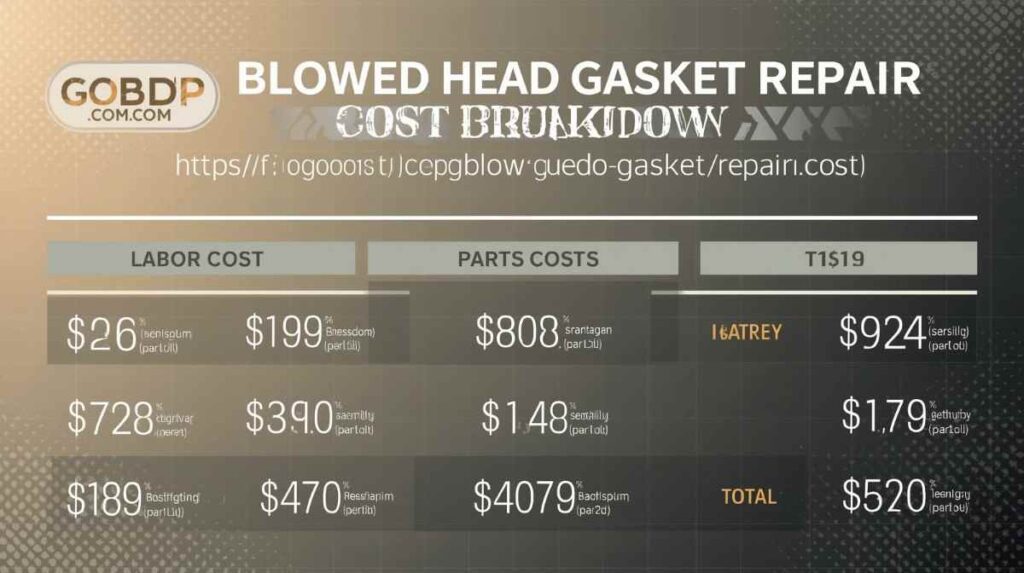
Because replacing a head gasket involves extensive disassembly, labor is usually the biggest expense. Labor rates vary widely depending on region and shop type, and repairs can take several hours due to careful inspection and reassembly.
Parts Costs
Gasket kits typically include seals for multiple engine areas. Costs can also increase if damaged components like thermostats, hoses, or water pumps need replacement. Luxury or high-performance vehicles may require more expensive gasket materials or specialized labor.
What Influences the Price
Vehicle make, engine complexity, damage severity, and the need for machining services all affect total repair cost. That’s why breakdowns like https gobdp.com blog blown-head-gasket-repair-cost highlight price variation depending on model and condition.
Is It Worth Repairing or Should You Replace the Engine? (https gobdp.com blog blown-head-gasket-repair-cost)
When Repair Is Sensible
If the vehicle is in good condition and the total repair cost is significantly lower than its market value, repairing the gasket is usually worthwhile. Engines that haven’t suffered severe overheating damage often respond well to proper repairs.
When Replacement Makes More Sense
If the engine has experienced repeated overheating or extensive internal wear, replacing it may be more cost-effective. Cars with low resale value may not justify a repair that costs more than half of their market price.
Using Value-Based Decision Making
Cost-to-value comparisons are a major part of engine repair decisions, especially in guides modeled after https gobdp.com blog blown-head-gasket-repair-cost that emphasize how much repair costs influence long-term planning.
Maintenance & Prevention Tips (https gobdp.com blog blown-head-gasket-repair-cost)
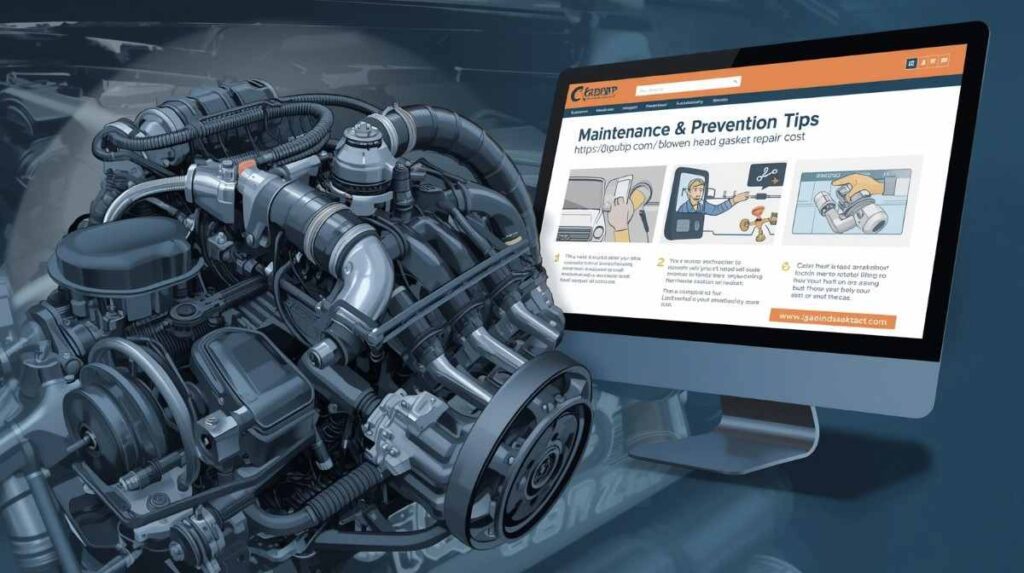
Cooling System Maintenance
Maintaining proper coolant levels helps prevent overheating. Regularly flushing the cooling system keeps contaminants away and allows coolant to circulate freely, reducing pressure on the head gasket.
Oil and Driving Habits
Frequent oil changes protect internal components from friction and overheating. Aggressive driving, continuous towing, and long idling periods generate excess stress and heat, raising the risk of gasket failure.
Staying Ahead With Routine Checks
Simple inspections—coolant levels, oil condition, and temperature monitoring—are often advised in technical references like https gobdp.com blog blown-head-gasket-repair-cost, emphasizing prevention over major repair bills.
When to Stop Driving & Seek Help (https gobdp.com blog blown-head-gasket-repair-cost)
Safety Concerns
Driving with a blown head gasket is dangerous. Overheated engines can stall unexpectedly, lose power quickly, or leak coolant onto hot components. Continued driving also increases the risk of catastrophic engine failure.
Seeking a Professional Diagnosis
If you notice repeated overheating or coolant loss, you should stop driving immediately and consult a mechanic. A proper pressure test or chemical test can confirm whether gases are leaking into the coolant.
The Risk of Delayed Diagnosis
Prolonged driving with a compromised engine dramatically accelerates wear. Many guides, including those structured like https gobdp.com blog blown-head-gasket-repair-cost, caution that ignoring symptoms turns repairable issues into major failures.
Conclusion (https gobdp.com blog blown-head-gasket-repair-cost)
Final Thoughts on Head Gasket Failure
Understanding symptoms, causes, and repair options is the key to avoiding unnecessary expenses. A blown head gasket doesn’t always mean the engine is beyond saving, but swift action makes all the difference in repair success.
Making the Right Decision
When evaluating repair vs replacement, always consider vehicle value, long-term ownership plans, and severity of damage. With early attention and proper maintenance, you can significantly extend your engine’s lifespan.
Protecting Your Engine’s Future
The best strategy is to stay alert, perform routine inspections, and address early signs before damage escalates—a principle echoed in many trusted repair guides like https gobdp.com blog blown-head-gasket-repair-cost.
FAQs About https gobdp.com blog blown-head-gasket-repair-cost
1. What is the main cause of a blown head gasket?
The most common cause is engine overheating. When temperatures rise beyond normal levels, metal surfaces expand and can warp slightly, breaking the seal between the engine block and cylinder head. Low coolant levels, clogged radiators, or failing water pumps often trigger this overheating cycle.
2. Can I keep driving with a blown head gasket?
It’s risky to continue driving. A blown gasket can cause rapid overheating, power loss, or coolant contamination. The longer you drive in this condition, the more internal damage occurs, which can turn a manageable repair into a full engine replacement.
3. How can I diagnose a blown head gasket?
You can look for symptoms such as white exhaust smoke, coolant loss, overheating, bubbling in the radiator, and milky oil. Mechanics also use pressure tests and chemical tests to confirm whether combustion gases are entering the cooling system.
4. How much does head gasket repair usually cost?
The cost depends on the car model, engine design, and labor rate in your region. Repairs can range from moderate to expensive because of the heavy labor involved in removing the engine head and inspecting components.
5. Can a sealant fix a blown head gasket?
Sealants can work for minor leaks, restoring compression and preventing coolant loss temporarily or in some cases permanently. However, they are not a solution for severe damage or warped engine components.
6. How can I prevent my head gasket from failing again?
Regular cooling system maintenance, monitoring coolant levels, and avoiding overheating are the best preventive steps. Proper oil changes and controlled driving habits also reduce stress on engine components.
