


Introduction
Ever wondered what keeps all that raw Chevrolet power running smooth and steady? If you drive a Chevrolet with serious horsepower under the hood, you’ve likely heard of the LS9 Head Gasket. This powerhouse component plays a crucial role in keeping your supercharged engine sealed tight and performing at its best. Without it, you risk compression leaks, overheating, and reduced engine life.
In this guide, you’ll explore the LS9 gasket’s true potential — from its unique structure and fitment to expert replacement tips. Whether you’re a garage mechanic or a DIY car lover, understanding this gasket means understanding performance at its finest.
Understanding the Power Behind the LS9 Head Gasket
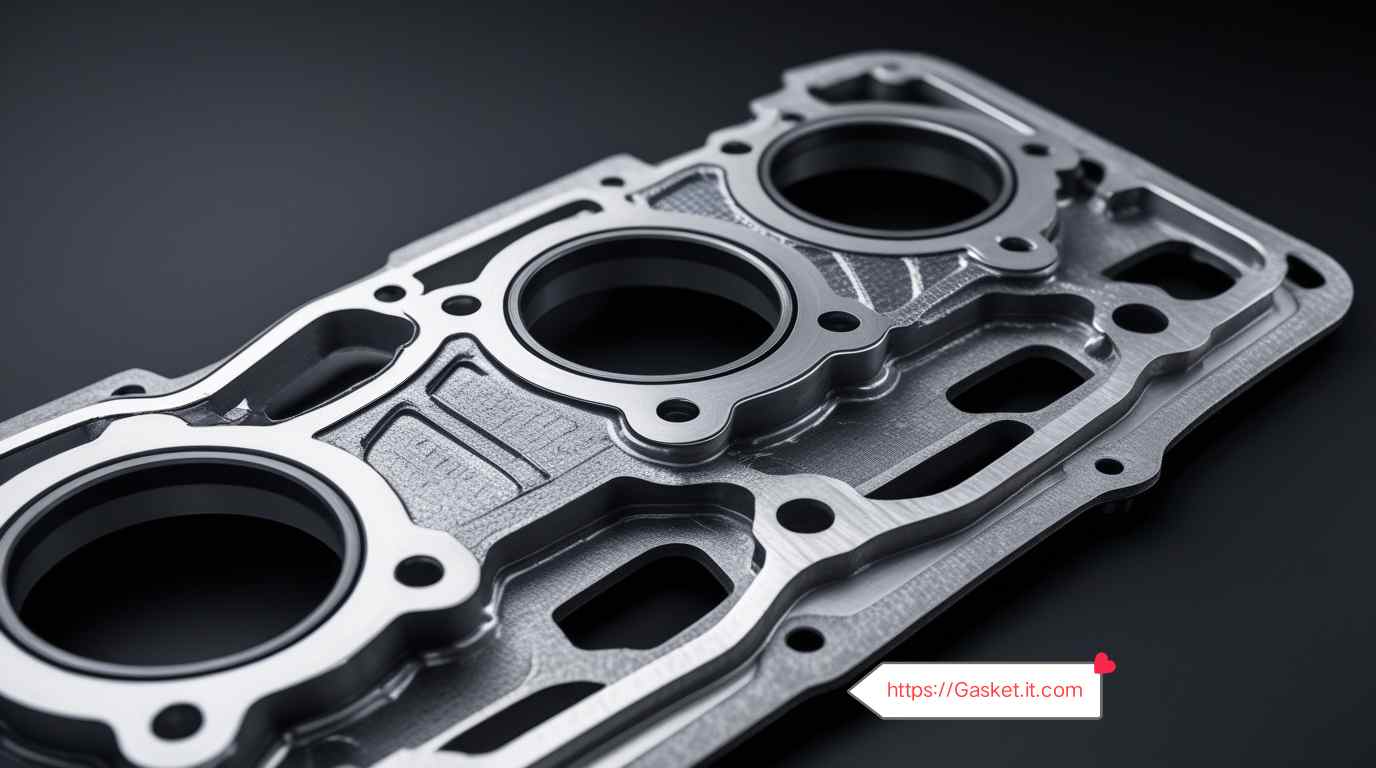
The LS9 Head Gasket was designed by GM to withstand intense pressure and heat from supercharged engines. Built with multi-layer steel (MLS) construction, it provides a perfect seal between the cylinder head and engine block. That tight seal ensures optimal compression and prevents coolant or oil leaks during high-RPM performance.
What sets it apart is its robust design and ability to handle extreme boost levels. For example, many LS9 users pair it with forged internals or turbo kits, yet the gasket holds up beautifully under stress. It’s no wonder GM uses this gasket in performance beasts like the Corvette ZR1 and other LS-based builds.
Why It’s More Than Just a Gasket
Pop the hood of any true performance machine, and you’ll find one hero that rarely gets the credit it deserves. Think of the LS9 gasket as your engine’s unsung hero — it doesn’t just seal; it protects. By maintaining perfect combustion pressure, it ensures every explosion inside the cylinder translates into power instead of wasted energy. It’s precision-engineered for strength, durability, and balance.
Visit: LS Engine Page for technical background.
LS9 Head Gasket Specs and Compatibility Guide
When discussing LS9 head gasket specs, you’ll find it stands above standard gaskets. The multi-layer design and steel embossments help it adapt to the smallest surface variations. It typically features a bore size of 4.100 inches and a compressed thickness of 0.055 inches, making it ideal for high-performance LS engines.
Many enthusiasts even install the LS9 head gasket on LS1, LS2, LS3, 5.3, and 6.0 engines. It’s a popular swap for improving compression strength and thermal resistance. However, always double-check your block and head compatibility before installation to avoid misalignment issues.
Fitment Examples and Real-World Use
For example, builders often use the LS9 head gasket on LQ4 or LS9 head gasket on LS3 setups to enhance sealing under boost. This cross-fit flexibility has made it one of GM’s most trusted performance upgrades.
Explore it: 3800 engine plenum intake manifold gasket installation
Installation Tips for Perfect LS9 Head Gasket Fit
Here’s where skill meets precision — installing the LS9 Head Gasket isn’t just another routine job; it’s craftsmanship in motion. When it comes to installing the LS9 Head Gasket, precision is everything. Start by cleaning the block and head surfaces with brake cleaner or alcohol to remove oil residue. Never use metal scrapers that can gouge aluminum surfaces. Once cleaned, position the gasket with the “FRONT” marking facing the radiator side.
Torque specs are crucial here. Follow GM’s factory torque sequence to the letter using a calibrated torque wrench. Over-tightening or skipping steps can cause warping and lead to leaks later on. When done right, the result is a tight, factory-quality seal that lasts for years.
Tools and Preparation You’ll Need
Before beginning the replacement, make sure you have a torque wrench, clean workspace, new head bolts, and coolant ready. Using Fel Pro LS9 head gasket kits or BTR LS9 head gasket options ensures high-quality results.
Comparing OEM vs. Aftermarket LS9 Head Gaskets
Both GM and aftermarket brands like BTR and Fel-Pro produce outstanding gaskets. The GM LS9 head gasket (Part Number 12622033) is the OEM standard, engineered with exact factory specifications. On the other hand, aftermarket versions may offer slightly different thicknesses or coatings for boosted engines.
Not all engines live the same kind of life — some cruise daily, others roar under boost. For daily drivers, OEM gaskets are the best bet. But for turbo or nitrous setups, aftermarket options can handle extra pressure while maintaining a reliable seal. Whichever you choose, the key is consistent torque and proper installation.
Cost and Availability Overview
The GM LS9 head gasket 12622033 price usually ranges between $70–$110 USD, depending on your retailer. It’s widely available at Summit Racing and GM Performance.
LS9 Head Gasket Dimensions and Material Breakdown
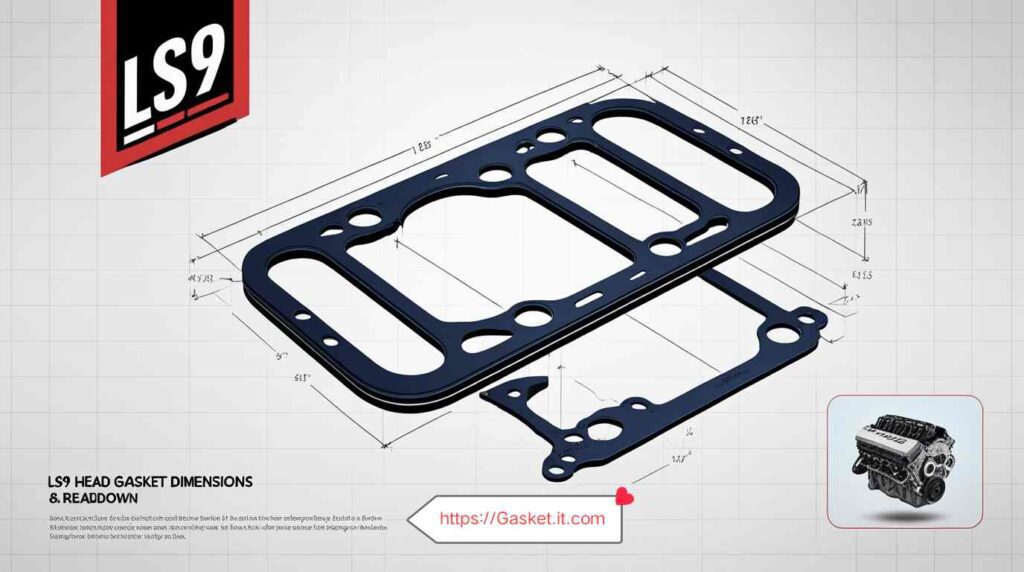
The LS9 gasket isn’t just about sealing power — its material composition is a science. GM uses multi-layer steel with specialized coatings to resist extreme heat. The LS9 head gasket bore is designed precisely for LS9 engines, ensuring exact compression balance and chamber volume consistency.
Each layer flexes slightly under heat expansion, maintaining even pressure between the head and block. This design keeps combustion gases sealed tightly, preventing hot spots that cause detonation or pre-ignition.
LS9 Head Gasket Bore Size Explained
Every powerhouse engine needs parts built to match its muscle — and the LS9 head gasket is no exception. The LS9 head gasket bore size of 4.100 inches matches the LS9’s supercharged V8 perfectly. It’s slightly larger than LS1 and LS2 gaskets, giving it room to handle extra boost without distortion.
Table: LS9 Head Gasket Specifications
| Specification | Details |
| Material Type | Multi-Layer Steel (MLS) |
| Bore Size | 4.100 inches |
| Compressed Thickness | 0.055 inches |
| OEM Part Number | 12622033 |
| Recommended Torque (per bolt) | 22 lb-ft + 90° + 70° rotation |
| Compatibility | LS1, LS2, LS3, LS9, 5.3L, 6.0L, LQ4 |
| Typical Price Range | $70–$110 USD |
Maintaining Performance After LS9 Head Gasket Installation
After installing your new gasket, proper maintenance ensures it performs flawlessly. Keep your cooling system clean and filled with quality coolant. Overheating is the fastest way to damage a new gasket, so watch your temperature gauge closely during long drives or heavy pulls.
It’s also smart to retorque your head bolts after a few heat cycles. Doing this helps the gasket “seat” fully and maintain the correct clamping pressure. Think of it like tuning a guitar — a small adjustment can make everything perform in harmony.
Troubleshooting Common Gasket Problems
If you notice white smoke, coolant loss, or rough idling, you may have a sealing issue. Always check for warping on the head surface and recheck torque specs. Reusing old bolts or skipping cleaning steps often leads to these issues.
Conclusion – Why the LS9 Head Gasket Is Built for Champions
Ask any gearhead what keeps a high-performance LS engine alive under pressure, and you’ll hear one name again and again, The LS9 Head Gasket is more than a component — it’s the heartbeat of GM’s high-performance engines. Designed to endure massive boost pressure and extreme heat, it’s a testament to GM engineering excellence. Whether you install the LS9 head gasket on LS1, LS2, or LQ4, its reliability and sealing power make it the go-to choice for any serious build.
If you’re chasing horsepower, durability, and precision, this gasket won’t let you down. Install it right, maintain it well, and it’ll keep your engine roaring for miles to come.
FAQs
Q1: What makes the LS9 Head Gasket different from others?
It’s built with multi-layer steel and can handle extreme boost, making it ideal for high-performance setups.
Q2: Can I use an LS9 gasket on LS1 or LS2 engines?
Yes, with proper alignment. It’s a common upgrade for better sealing and heat resistance.
Q3: What’s the LS9 gasket compressed thickness?
It’s around 0.055 inches, ensuring optimal compression and durability.
Q4: Is the GM LS9 gasket 12622033 worth it?
Absolutely — it’s OEM-certified and proven in the supercharged LS9 Corvette ZR1.
Q5: What’s the LS9 gasket bore size?
4.100 inches, perfect for LS9 engines and compatible LS swaps.
Q6: Can I use Fel Pro LS9 gasket kits?
Yes, Fel-Pro makes high-quality replacements matching GM standards.
Q7: What torque specs should I use?
Follow GM’s guide: 22 lb-ft, plus two angle torques (90° + 70°).
Q8: How do I prevent leaks after installation?
Clean surfaces, use new bolts, and follow the torque sequence strictly.
Q9: How long does an LS9 gasket last?
With proper maintenance, it can last over 100,000 miles under normal use.
Q10: Can I install it myself?
Yes, if you have mechanical experience and follow GM’s torque instructions carefully.
Thanks For Visit: https://Gasket.it.com
