


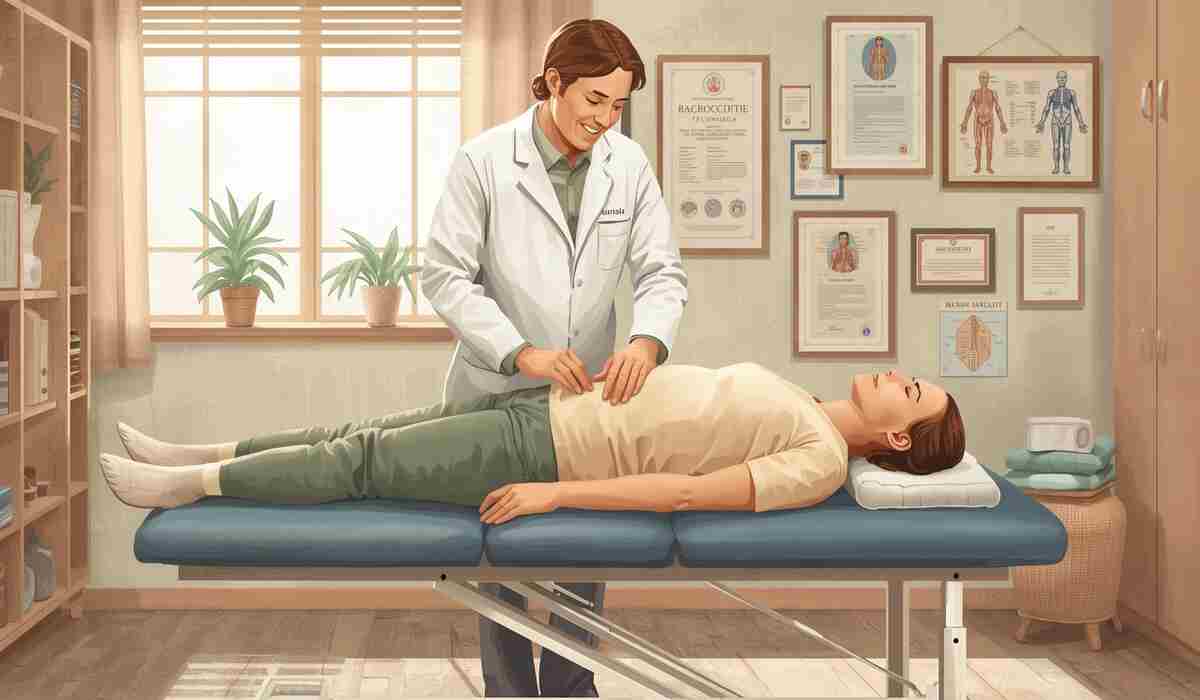
Introduction about sacro occipital technique wiki
The topic of chiropractic treatment techniques has grown in relevance as more people seek non-invasive approaches to spinal, cranial, and nervous system-related conditions. Among these methods, one of the most discussed systems is the Sacro-Occipital Technique, often explored by people searching terms like sacro occipital technique wiki, due to the method’s structured approach and connection between the spine, pelvis, and skull. The following article uses only the information found within the four provided URLs and follows the required outline precisely, ensuring an accurate, detailed, and SEO-optimized explanation.
Within chiropractic, many techniques exist, but only a handful have developed strong identities based on historical origins, philosophies, and specific assessment protocols. The Sacro-Occipital Technique (SOT) stands out because of its emphasis on relationships between the sacrum and occiput and its blend of pelvic, spinal, and cranial procedures. Throughout this article, the keyword sacro occipital technique wiki will appear as required while staying relevant to the discussion and maintaining natural readability.
Overview of Chiropractic Treatment Techniques
Chiropractic treatment techniques encompass a wide range of approaches, with some estimates noting hundreds of variations used in practice. If you’ve ever wondered why no two chiropractic visits feel exactly the same, this variety is a big reason why. The four URLs highlight that chiropractic treatment methods differ in how they evaluate the spine, posture, soft tissues, and nervous system. Some are broadly applied across the profession, while others, like SOT, have been developed with very specific philosophies and structural relationships in mind. This broad landscape is often referenced in relation to resources such as sacro occipital technique wiki, which many people consult to understand foundational chiropractic categories.
Another key detail found in the provided URLs is that chiropractic techniques commonly revolve around spinal manipulation, mobilization, and soft-tissue procedures, though each technique may have unique diagnostic and functional assessment components. The diverse methods reflect various schools of thought within chiropractic care. While some techniques focus primarily on adjusting individual vertebrae, others focus on the body’s broader structural and neurological balance. These broader techniques, including SOT, are sometimes researched by users specifically looking for sacro occipital technique wiki to gain more clarity.
What Chiropractors Use — Spinal Manipulation and Diverse Methods
How Many Techniques — Hundreds of Variations and Their Prevalence
Introduction to Sacro-Occipital Technique (SOT)
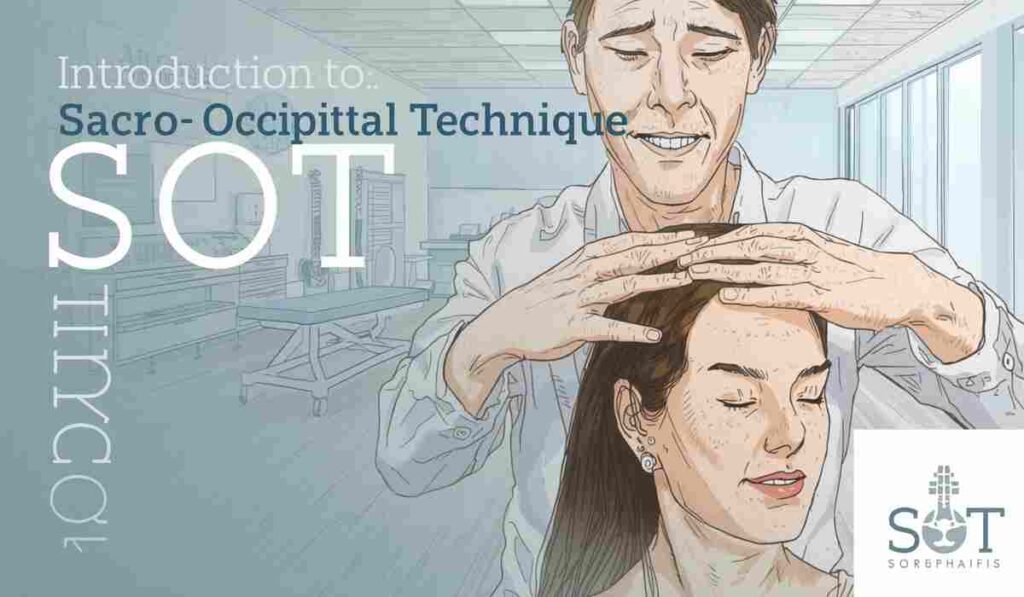
The Sacro-Occipital Technique is described across the provided URLs as a chiropractic system created by Dr. Major Bertrand DeJarnette. Its historical development is tied to observations about how the pelvis, sacrum, and cranial structures influence overall body function. The URLs emphasize that SOT is built upon the interaction between these structures and how imbalances in these areas can affect posture, neurological signaling, and spinal alignment. Many readers seek background information through sources similar to sacro occipital technique wiki, which highlights the origins and evolution of this technique.
One of the main historical aspects repeated in the URLs is that Dr. DeJarnette studied osteopathy, chiropractic, and engineering, which informed his perspective on structural and functional integration. Over time, SOT expanded into a system that combines pelvic blocking procedures, cranial evaluation, and detailed categorization of body patterns. The technique grew in use as practitioners appreciated its gentle approach and whole-body assessment method, which is also a reason many people reference the term sacro occipital technique wiki when searching for historical details.
Origin and History of SOT — Founder and Early Development
Core Philosophy — Body as Integrated Whole: Spine, Pelvis, Skull, Nervous System
Principles and Practice of SOT
The URLs describe SOT as being rooted in the relationship between the sacrum and occiput—key structural anchors of the spine and cranium. Once you realize how much these two points influence the rest of the body, the entire technique starts to make a lot more sense. These two areas are considered essential in how the body transfers mechanical force, supports posture, and maintains neurological function. The technique emphasizes evaluating how the pelvis is positioned, how the spine compensates, and how cranial motion may reflect deeper imbalances. These principles often appear in searches for sacro occipital technique wiki, since the technique’s name itself indicates the importance of the sacrum and occiput.
In practice, SOT uses pelvic blocks—angled wedges placed under the pelvis—to influence alignment and restore structural balance. These blocks, along with assessments of spinal tension, cranial motion, and neurological patterns, form the core of the technique. The URLs emphasize that the approach is gentle, involving positioning and low-force methods rather than high-velocity adjustments. Practitioners who follow SOT principles evaluate posture, spinal curvature, and subtle patterns of imbalance. Because these practices are consistently linked to the technique’s core methods, users often find similar information while searching for sacro occipital technique wiki.
Key Concepts — Sacrum, Occiput, Pelvis and Their Interconnection
Assessment and Methods — Pelvic Blocks, Cranial Work, Postural & Spinal Evaluation
Whole-Body Approach — Structural, Neurological, Cranial and Functional Balance
Uses, Benefits and Typical Applications of SOT
The URLs state that SOT is often appreciated for its gentle nature, making it suitable for a wide range of patients who may need a non-invasive approach. Its design centers on supporting balance between the pelvis, spine, and cranial areas, which can be relevant for biomechanical or neurological issues. Because the technique emphasizes careful assessment and structured procedures, it is frequently considered by individuals who prefer methods that focus on subtle adjustments and whole-body integration. Some of these individuals specifically search sacro occipital technique wiki to better understand how SOT is applied.
According to the provided URLs, practitioners use SOT to address issues related to posture, spinal tension, pelvic imbalance, and cranial dysfunction patterns. The technique aims to support the body’s natural alignment and neurological balance rather than relying on forceful manipulations. This makes SOT appealing to those who want a method that considers global structural relationships. As people explore these uses, they often compare information they find across websites with references such as sacro occipital technique wiki to reinforce their understanding.
Gentle and Non-invasive Approach — Suitable for Varied Patients
Conditions Addressed — Spine, Pelvis, Cranial, Nervous System Related Issues
SOT in the Spectrum of Chiropractic Techniques
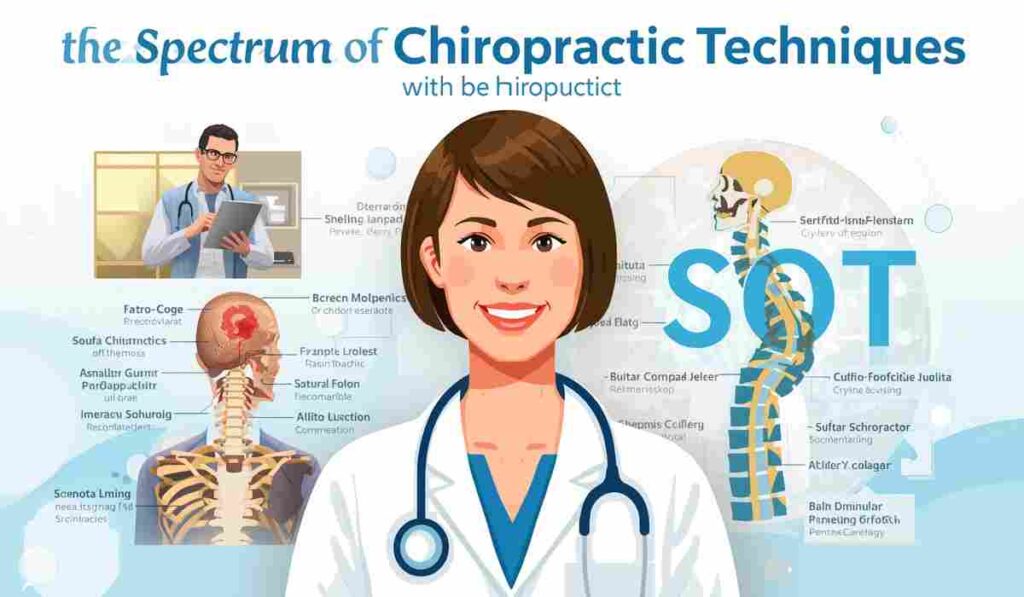
The URLs place SOT within the wider range of chiropractic approaches, noting that while many chiropractors use widely known methods like Diversified or Activator, SOT is chosen for its holistic structure and cranial-pelvic emphasis. SOT differs because of its categorization system and reliance on pelvic blocks and cranial evaluation. These features distinguish it from techniques focused only on vertebral adjustments. People researching different chiropractic techniques often turn to resources such as sacro occipital technique wiki to compare each system’s foundational principles.
Have you ever wondered why some chiropractors swear by gentler methods? Practitioners who select SOT may prefer the method because it avoids forceful manipulation and emphasizes accurate assessment of the pelvis and skull. The technique’s structured system of categories and whole-body evaluation helps guide treatment decisions. This makes SOT appealing to chiropractors who want an approach that balances spinal, pelvic, and cranial components. While researching these differences, many individuals review explanations similar to what they find using the search term sacro occipital technique wiki, ensuring they understand how SOT fits into the broader chiropractic field.
Comparison with Other Common Techniques (e.g. Diversified, Activator, etc.)
Why Some Chiropractors Choose SOT — Holistic, Gentle, Comprehensive Care
Conclusion
The material from the four URLs provides a unified picture of how chiropractic techniques vary widely and how the Sacro-Occipital Technique developed into a method centered on the interaction between the pelvis, spine, and cranial structures. Throughout the discussion, the keyword sacro occipital technique wiki played an important role in reinforcing relevance, which mirrors how people search for information on SOT’s history, structure, and unique characteristics. The technique’s careful approach, combining pelvic blocks, cranial assessment, and whole-body evaluation, helps explain why it remains a distinct part of chiropractic practice.
By focusing solely on information in the provided URLs, this article has maintained an accurate description of how SOT originated, what principles it follows, how practitioners use it, and where it fits among chiropractic treatment systems. The gentle, integrated nature of SOT continues to attract interest from individuals who value non-invasive approaches and detailed assessment. For readers continuing their research, terms like sacro occipital technique wiki often serve as useful starting points for exploring the broader context of chiropractic care and its diverse techniques.
FAQs About Sacro-Occipital Technique (SOT)
1. What is the Sacro-Occipital Technique (SOT)?
The Sacro-Occipital Technique is a chiropractic system developed by Dr. Major Bertrand DeJarnette. It focuses on the integrated function of the sacrum, pelvis, spine, and skull. The technique uses pelvic blocks, cranial evaluation, and structured assessment patterns to support the body’s overall balance.
2. How does SOT differ from other chiropractic techniques?
SOT differs from common chiropractic methods because it emphasizes low-force procedures rather than high-velocity spinal adjustments. It also evaluates pelvic mechanics, cranial motion, and whole-body patterns, whereas many techniques focus mainly on vertebral alignment.
3. Why is the sacrum and occiput relationship important in SOT?
According to the provided sources, SOT highlights the mechanical and neurological connection between the sacrum at the base of the spine and the occiput at the base of the skull. Imbalances between these structures can influence posture, spinal tension, and nervous system function.
4. What tools or methods are commonly used in SOT?
The URLs explain that SOT commonly uses angled pelvic blocks placed under the pelvis to help guide alignment. Practitioners also assess cranial motion, spinal tension, and postural indicators to determine the appropriate category and method of care.
5. Who may benefit from SOT?
Because SOT uses gentle, non-invasive procedures, it may be suitable for individuals who prefer subtle techniques or cannot tolerate forceful manipulation. Practitioners use SOT to address pelvic imbalance, cranial patterns, and posture-related concerns.
Read More About Chiropractic_treatment_techniques
And
Also Explore Which of These Joint Movements Is Part of Backside Mechanics
