


Introduction
If you work on cars or love DIY exhaust fixes, you may hear one question again and again: what is red or copper rtv downpipe gasket and why do mechanics trust it so much. This sealant looks simple, yet it handles heat, pressure, and vibration better than many solid gaskets. People use it on downpipes because that area faces extreme exhaust temperatures every single day.
Think of it like a flexible shield. Instead of cracking or burning, it cures into a rubbery layer that fills tiny gaps. That small detail often decides whether your exhaust stays quiet or starts leaking. Curious how a tube can do all that? Let’s break it down slowly and clearly.
Understanding Downpipe Sealing Basics
A downpipe connects the exhaust manifold to the rest of the exhaust system. Heat here is intense and constant. Metal expands and contracts, which creates gaps over time. This is where what is red or copper rtv downpipe gasket becomes important. It adapts to movement instead of fighting it.
Many people assume solid gaskets are always better. In reality, flexibility matters just as much. RTV sealant spreads evenly and bonds to metal surfaces. That bond reduces leaks and noise. It feels almost too easy, but sometimes simple solutions work best. Ever noticed how small leaks cause big headaches?
what is red or copper rtv downpipe gasket
This term refers to high-temperature RTV silicone designed for exhaust joints. Red and copper versions are made to survive extreme heat without breaking down.
Why Red and Copper RTV Are Different
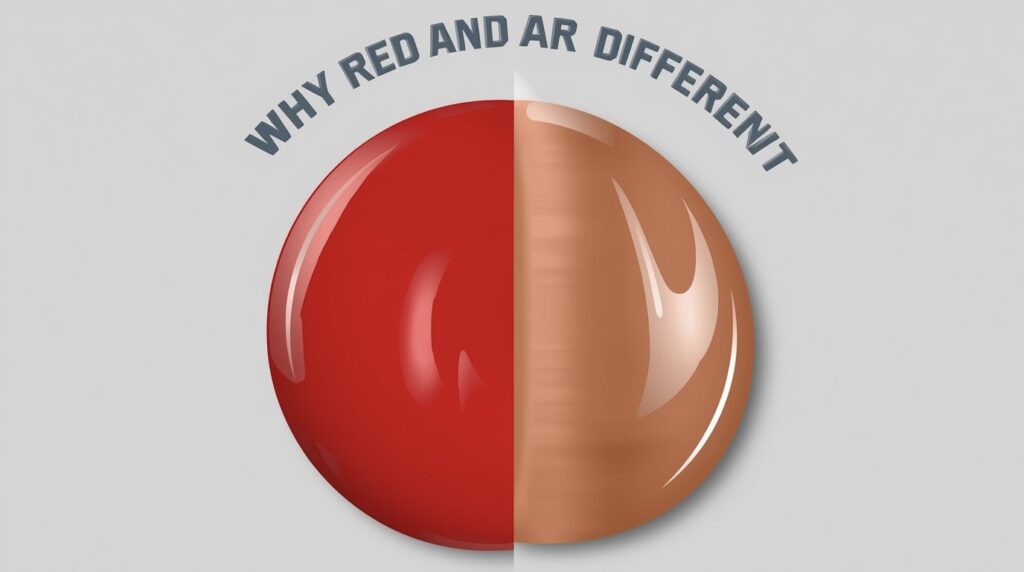
Color is not just for looks. Red RTV handles high heat well, but copper RTV goes a step further. When asking what is red or copper rtv downpipe gasket, the copper version often stands out for turbo and performance engines.
Copper RTV contains fine copper particles. These particles help spread heat evenly. That reduces hot spots that cause failure. If you push your engine hard, this detail matters. It’s like adding reinforcement where stress hits the most.
what is red or copper rtv downpipe gasket
Both types seal exhaust joints, but copper RTV is preferred where temperatures stay extreme for long periods.
Heat Resistance and Real Exhaust Conditions
Exhaust gases can exceed hundreds of degrees within minutes. Traditional gaskets may harden or crack. What is red or copper rtv downpipe gasket solves this by staying elastic after curing.
This flexibility allows the seal to survive vibration and sudden temperature changes. Think of it like a shock absorber for your exhaust seal. One short drive can tell you the difference between a cheap fix and a lasting one.
what is red or copper rtv downpipe gasket
It is a heat-resistant silicone sealant built to survive exhaust-level temperatures without failure.
Application Process That Actually Works
Applying RTV is simple, but technique matters. Clean surfaces first. Oil or rust weakens the bond. Spread an even bead where the parts meet. This is where what is red or copper rtv downpipe gasket proves its value.
After assembly, let it cure. Rushing this step causes leaks later. Many failures come from impatience, not product quality. Waiting a few hours saves weeks of frustration. Ever rushed a repair and regretted it?
what is red or copper rtv downpipe gasket
It works best when applied on clean metal and given enough curing time before use.
Red RTV for Exhaust Gasket Use
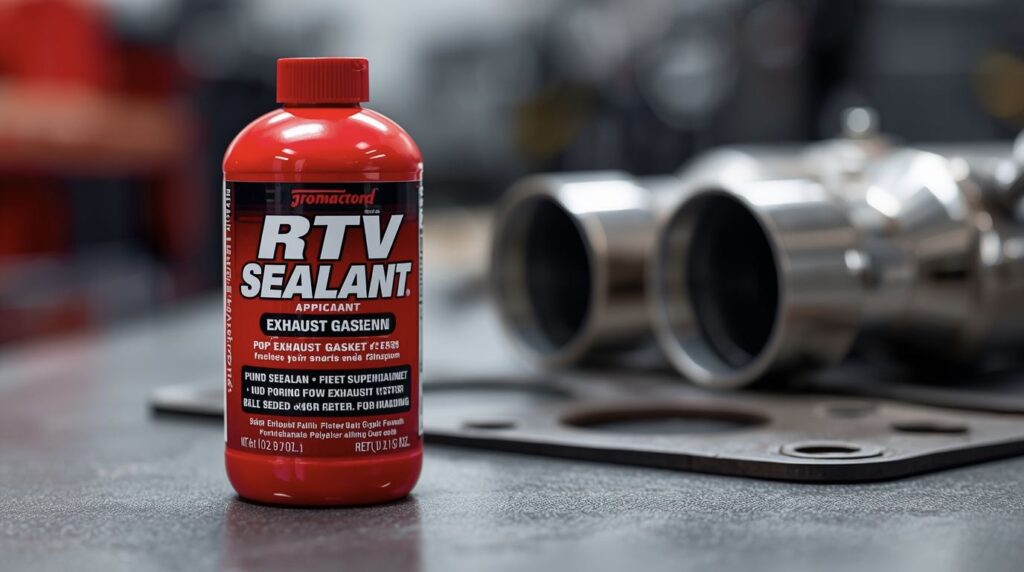
Red rtv for exhaust gasket jobs is common on naturally aspirated engines. It handles heat well and remains affordable. Many daily drivers rely on it without issues.
It seals small imperfections better than rigid gaskets. That makes it useful on older vehicles where surfaces are no longer perfect. Sometimes, experience teaches you that flexibility wins.
what is red or copper rtv downpipe gasket
Red RTV is ideal for standard exhaust systems that still face high but stable temperatures.
Copper RTV in Performance Builds
Turbo engines create extra heat and pressure. Copper RTV shines here. When people ask what is red or copper rtv downpipe gasket for racing setups, copper is often the answer.
It resists blowouts under boost. That reliability protects nearby parts and sensors. One strong seal can prevent a chain of expensive problems. That peace of mind matters.
what is red or copper rtv downpipe gasket
Copper RTV is designed for extreme exhaust heat and high-performance conditions.
Insulation Gasket Type Comparison
Some mechanics compare RTV with insulation gasket type materials. Solid gaskets insulate heat but lack flexibility. RTV seals while allowing movement.
In many cases, combining both works well. A thin gasket with RTV coating creates a strong seal. This hybrid approach balances insulation and adaptability. It’s a smart compromise.
what is red or copper rtv downpipe gasket
It complements insulation gasket type designs by filling gaps that solid materials miss.
Durability Over Time
Longevity depends on installation and environment. What is red or copper rtv downpipe gasket known for is staying effective for years when applied correctly.
It resists oil, moisture, and exhaust gases. That resistance keeps seals tight longer. A good seal today means fewer repairs tomorrow.
what is red or copper rtv downpipe gasket
Its cured form stays flexible and strong even after long-term heat exposure.
Legal and Material Considerations
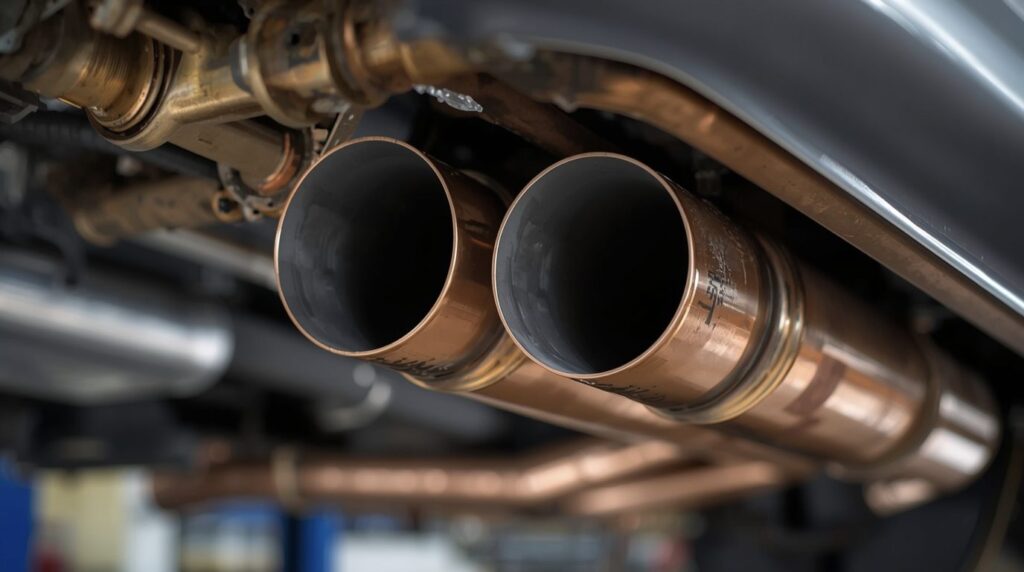
Some confuse sealants with metal rules, like copper tube valuation ruling in plumbing. Exhaust RTV is different. It is not structural metal.
Understanding material purpose avoids misuse. RTV is a sealant, not a load-bearing part. Using it correctly keeps repairs safe and effective.
what is red or copper rtv downpipe gasket
It is a sealing compound, not a replacement for metal exhaust components.
Common Mistakes to Avoid
Overusing RTV causes squeeze-out into the exhaust. That can affect sensors. What is red or copper rtv downpipe gasket works best in thin layers.
Another mistake is skipping cure time. Heat too soon weakens the seal. Patience is part of the process. Repairs reward calm hands.
what is red or copper rtv downpipe gasket
Correct quantity and curing are key to long-lasting exhaust sealing.
When Not to Use RTV
Severely warped flanges need machining. RTV cannot fix structural damage. Knowing limits is part of knowing what is red or copper rtv downpipe gasket.
Used wisely, it performs well. Used blindly, it fails. Experience teaches balance.
what is red or copper rtv downpipe gasket
It is effective for sealing, not for repairing broken or misaligned parts.
Conclusion
So, what is red or copper rtv downpipe gasket really about? It is about smart sealing under heat and stress. Red suits daily drivers. Copper handles extreme builds. Both offer flexibility that solid gaskets lack.
When applied with care, this sealant saves time, money, and stress. In the last check, remember this simple truth: what is red or copper rtv downpipe gasket is not magic, but when used right, it feels close enough.
FAQs
Can RTV actually stop exhaust leaks long term?
Yes, when applied correctly, RTV can stop exhaust leaks for years. It works by filling tiny surface gaps that solid gaskets often miss. Once cured, it stays flexible, which helps it survive heat cycles and vibration without cracking or shrinking.
Is copper RTV safe for daily driving?
Copper RTV is completely safe for daily driving. It is designed to handle extreme heat, but that doesn’t mean it damages normal engines. Many drivers use it for peace of mind, especially in hot climates or stop-and-go traffic.
What happens if RTV is applied too thick?
Applying too much RTV is a common mistake. Excess material can squeeze into the exhaust path and may affect oxygen sensors. A thin, even bead seals better and cures properly, giving stronger and cleaner results.
Can RTV handle turbocharged engines?
Yes, especially copper RTV. Turbo engines create higher exhaust temperatures and pressure. Copper-based formulas are built for these conditions and are widely used in performance and boosted setups without issues.
Does RTV sealant harden like glue?
No, and that’s its advantage. RTV cures into a rubber-like material, not hard glue. This flexibility allows it to move with metal expansion and contraction instead of cracking under stress.
Is surface cleaning really that important?
Absolutely. Oil, rust, or carbon buildup prevents proper bonding. Cleaning the flange surfaces is often the difference between a seal that lasts months and one that lasts years.
Can RTV be used on old exhaust systems?
Yes, and that’s where it shines. Older exhausts often have uneven surfaces. RTV fills those imperfections better than rigid gaskets, making it ideal for aging vehicles.
Will water or rain damage the seal?
Once cured, RTV resists water, road salt, and moisture. Normal driving in rain or snow will not weaken the seal or reduce its lifespan.
How long should you wait before driving?
Most manufacturers recommend waiting several hours, with full curing taking up to a day. Starting the engine too soon can cause leaks and reduce sealing strength.
Why do professionals keep using RTV?
Because it works. It adapts to heat, movement, and imperfect surfaces. That reliability saves time, prevents repeat repairs, and keeps exhaust systems quiet and sealed.
