


Introduction for Which of These Joint Movements Is Part of Backside Mechanics
Have you ever wondered what really happens behind every step when you run? Running may look simple, but every stride involves complex muscle and joint coordination. Understanding which of these joint movements is part of backside mechanics helps athletes, trainers, and beginners improve technique, prevent injury, and boost performance.
In biomechanics, backside mechanics describe what happens behind your body during motion — the hidden power source that drives every step. Once you learn how these movements work together, you’ll see running and exercise in a whole new light.
Understanding Backside Mechanics in Human Motion
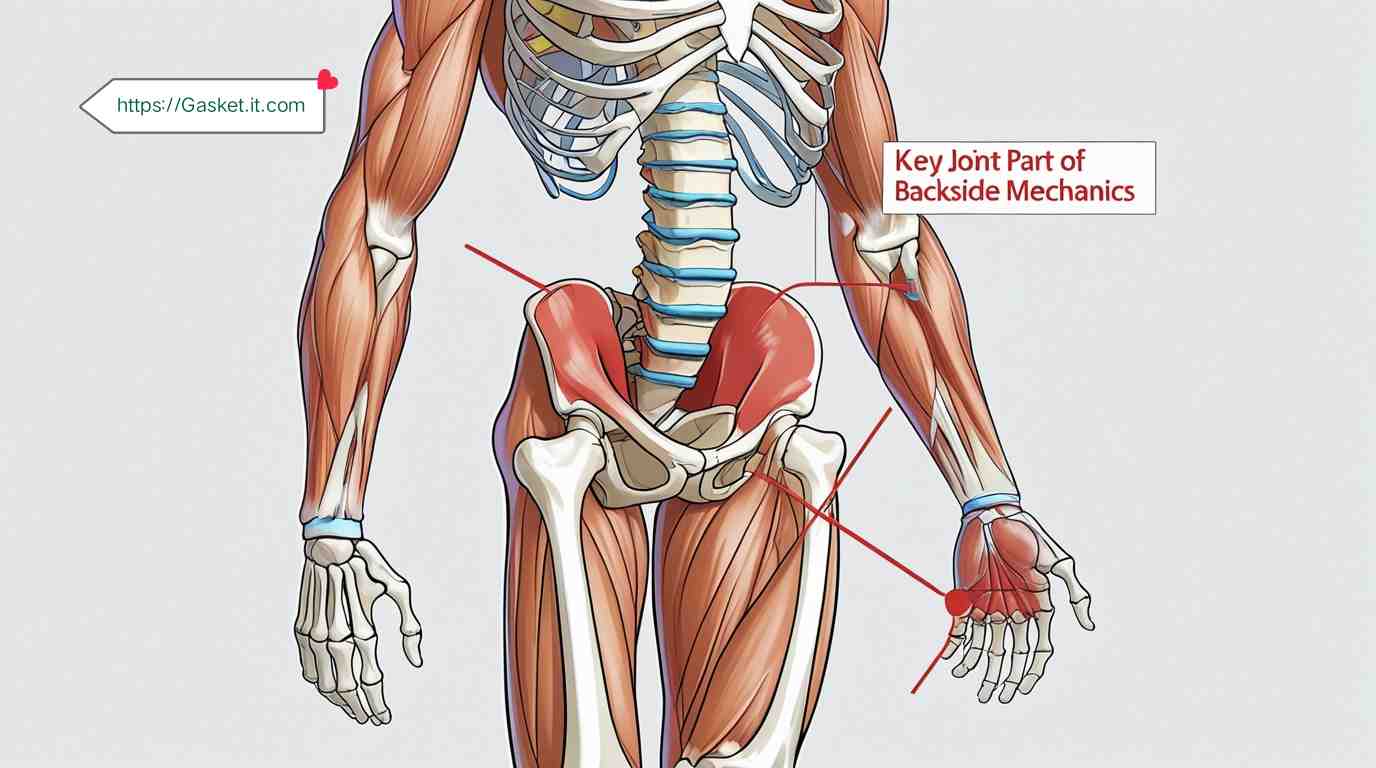
Backside mechanics refer to movements happening behind the body’s midline, such as hip extension, knee extension, and ankle plantar flexion. These actions create propulsion, allowing you to push off the ground with force and speed.
Ever wondered why some runners seem to glide effortlessly while others struggle to maintain balance? Athletes who focus only on frontside mechanics often overlook backside engagement — the key to efficiency and balance. Proper understanding helps reduce fatigue and enhances stride power, particularly for runners and sprinters.
The Science Behind which of these joint movements is part of backside mechanics
In running, backside mechanics depend heavily on synchronized muscle action. The glutes, hamstrings, and calves work together to extend the hip, straighten the knee, and point the foot. Each joint movement builds upon the other to produce smooth, efficient motion that propels the body forward.
How Joint Movements Work During Running
Every joint in your leg contributes to motion in a specific phase of the running cycle. As your foot leaves the ground, the hip extends backward, the knee straightens, and the ankle pushes off. This combination defines backside mechanics.
Learning this relationship helps you train smarter. For instance, tight hip flexors can limit hip extension, weakening your push-off and slowing your speed.
Learn more about Human biomechanics
Why Knowing which of these joint movements is part of backside mechanics Matters
Behind every powerful stride lies a hidden rhythm of movement we often overlook. Recognizing backside joint movements improves coordination and muscle awareness. When athletes know how the hip, knee, and ankle interact, they can target these areas during strength or flexibility training for maximum results.
Key Joints Involved in Backside Mechanics
The major players in backside mechanics are the hip joint, knee joint, and ankle joint. Each performs a unique but connected role during running and jumping.
- The hip provides extension through the gluteus maximus and hamstring muscles.
- The knee extends with the help of the quadriceps, stabilizing the leg.
- The ankle contributes through plantar flexion, pushing the body off the ground.
Exploring which of these joint movements is part of backside mechanics in Motion
During the push-off phase, the leg works like a lever. The hip extends, the knee straightens, and the ankle flexes downward — creating a powerful backward drive. This coordinated movement defines the strength and efficiency of an athlete’s stride.
Frontside vs Backside Mechanics: What’s the Difference?
Frontside mechanics include actions that occur in front of the body, such as hip flexion and knee lift. These movements prepare the body for the next stride. In contrast, backside mechanics happen after ground contact, driving the leg backward.
Efficient runners balance both mechanics for fluid and powerful motion. Too much emphasis on one side can reduce performance and increase the risk of injury.
Comparing which of these joint movements is part of backside mechanics to Frontside Mechanics
What you see in an athlete’s stride is only half the story. Frontside mechanics are visible and often easier to observe. However, backside mechanics are where the real power is generated. Understanding how these two complement each other ensures full-body harmony and better athletic results.
Table: Comparing Frontside and Backside Joint Movements
| Mechanic Type | Joint Involved | Movement Type | Primary Muscles | Function in Running |
| Frontside Mechanics | Hip | Flexion | Hip flexors, Quadriceps | Lifts the leg forward |
| Frontside Mechanics | Knee | Flexion | Hamstrings | Prepares for landing |
| Backside Mechanics | Hip | Extension | Gluteus Maximus, Hamstrings | Drives the leg backward |
| Backside Mechanics | Knee | Extension | Quadriceps | Straightens leg for push-off |
| Backside Mechanics | Ankle | Plantar Flexion | Calf Muscles | Propels body off the ground |
Training to Improve Backside Mechanics
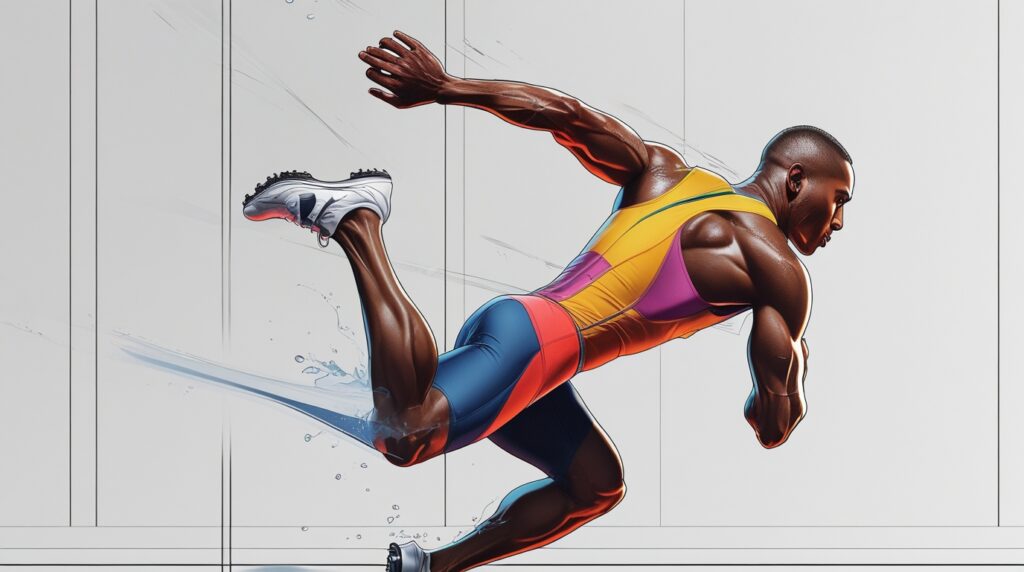
To enhance backside mechanics, athletes must strengthen and stretch the glutes, hamstrings, and calves. Resistance exercises, like hip thrusts or Romanian deadlifts, build strength. Dynamic stretches improve mobility and reduce stiffness.
Balanced training ensures these muscles fire efficiently, improving both speed and endurance. Focused backside work also enhances posture and reduces stress on the lower back.
Exercises Targeting which of these joint movements is part of backside mechanics
Exercises such as glute bridges, single-leg deadlifts, and calf raises specifically target backside joint movements. Regularly including them in your routine leads to better stride power and movement control.
Common Mistakes When Training Backside Mechanics
Ever felt knee pain after a run and wondered what went wrong, even with good form? Many athletes unknowingly overuse their quads and neglect their posterior chain. This imbalance leads to knee pain and limited stride length. The goal is to create harmony between frontside and backside mechanics.
Skipping mobility work is another mistake. Without flexibility, joints can’t reach their full range of motion, limiting efficiency during running or jumping.
Avoiding Errors Related to which of these joint movements is part of backside mechanics
Proper warm-ups and mobility drills help prevent injury. Focus on form and technique rather than intensity. A balanced approach allows the body to perform naturally without strain.
Role of Backside Mechanics in Sports Performance
Whether sprinting, cycling, or swimming, backside mechanics determine your explosive power. Strong backside muscles translate into faster, more controlled movements.
What separates a good athlete from a great one often happens where few people look — behind the stride. Sports scientists emphasize backside engagement because it’s often the difference between average and elite performance. Consistency in training builds long-term stability and speed.
How Athletes Benefit from Learning which of these joint movements is part of backside mechanics
Understanding backside joint movements gives athletes an edge. It improves efficiency, stride recovery, and overall performance while reducing the risk of muscle fatigue and overuse injuries.
Improving Posture Through Backside Mechanics
Good posture begins with balanced muscle activation. Weak backside mechanics often cause slouched shoulders and anterior pelvic tilt. Strengthening these areas realigns the spine and supports efficient motion.
Proper posture enhances energy transfer during running and keeps the body symmetrical. It’s a fundamental aspect of both athletic training and daily movement.
Posture and which of these joint movements is part of backside mechanics Connection
When backside mechanics function properly, the pelvis and spine remain stable, allowing the upper and lower body to move as one. This leads to smoother, stronger, and safer athletic movement.
Conclusion about Which of These Joint Movements Is Part of Backside Mechanics
Have you ever thought about what really drives you forward when you run or jump? Learning which of these joint movements is part of backside mechanics helps you understand how your body generates power, balance, and motion. From hip extension to ankle flexion, every action behind your body plays a crucial role in forward movement.
Whether you’re a beginner or an experienced athlete, mastering backside mechanics improves your performance, prevents injuries, and builds lasting strength. Keep training smart — your backside mechanics are the hidden secret to moving faster, stronger, and more efficiently.
FAQs for Which of These Joint Movements Is Part of Backside Mechanics
Q1: What does backside mechanics mean in running?
Backside mechanics refer to the movement of joints and muscles behind your body’s midline, like hip and knee extension during the push-off phase.
Q2: Which muscles are mainly used in backside mechanics?
The glutes, hamstrings, and calves are the primary muscles involved in backside mechanics.
Q3: How does hip extension affect running speed?
Strong hip extension allows for more powerful strides, helping runners accelerate faster and maintain speed.
Q4: Can poor backside mechanics cause injury?
Yes. Weak or uncoordinated backside mechanics can lead to hamstring strains, knee pain, or lower back stress.
Q5: How can I improve backside mechanics?
Incorporate strength and flexibility exercises such as glute bridges, hamstring curls, and calf raises.
Q6: Is backside mechanics only important for sprinters?
No. All athletes, from joggers to soccer players, benefit from strong backside mechanics.
Q7: What’s the difference between frontside and backside mechanics?
Frontside mechanics prepare the leg for ground contact, while backside mechanics drive the leg backward for propulsion.
Q8: How does posture relate to backside mechanics?
Proper backside engagement supports good posture, aligning the spine and pelvis for efficient movement.
Q9: Are backside mechanics affected by flexibility?
Yes, limited flexibility in the hips or calves can restrict movement and weaken backside power.
Q10: Why is it important to learn which of these joint movements is part of backside mechanics?
Because understanding these movements helps you train smarter, move efficiently, and prevent long-term injuries.
Thanks for visit: https://Gasket.it.com
